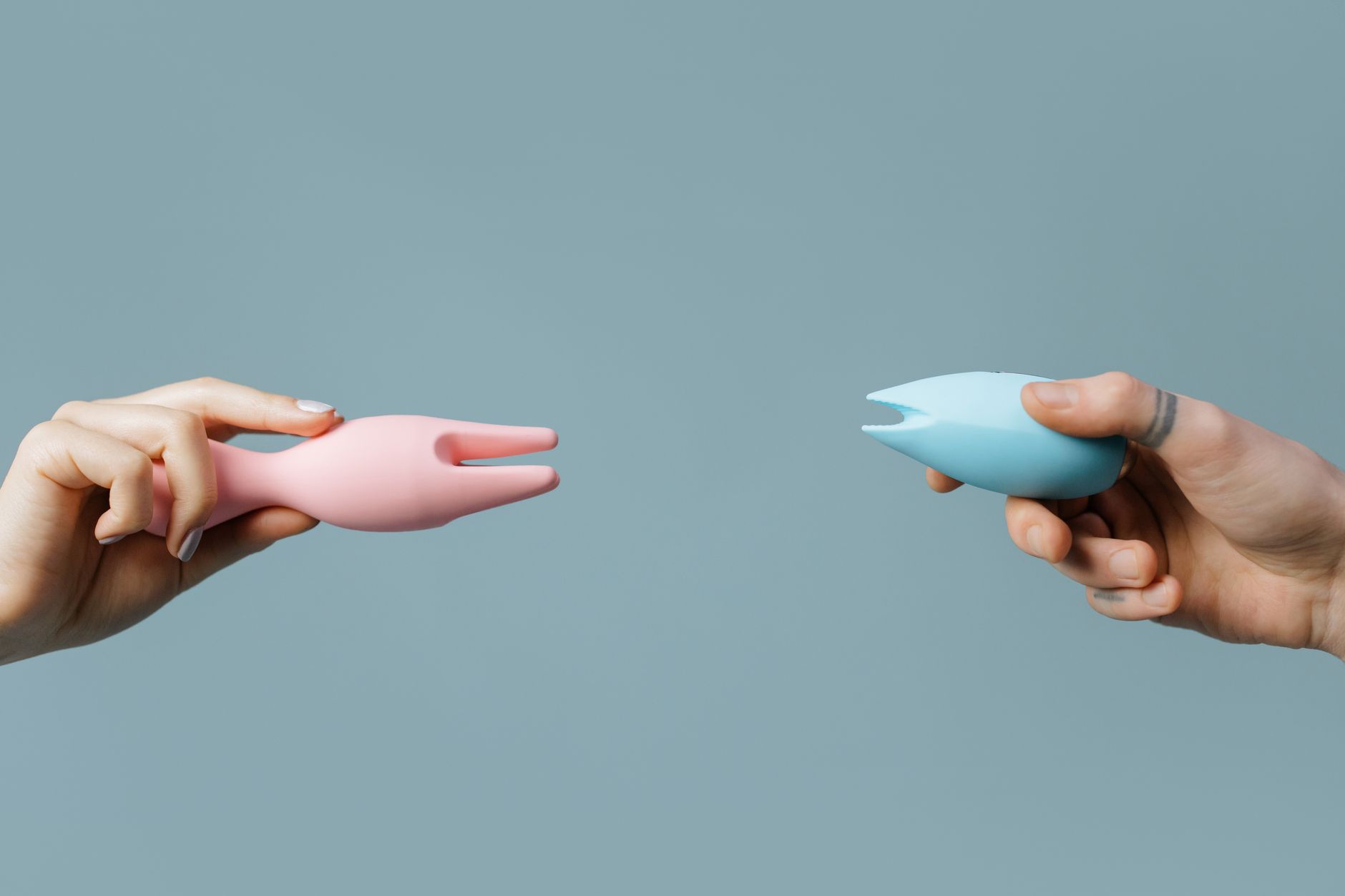
The thing nobody tells you about mental disconnection
Your mind is somewhere else. Maybe it's the work email you didn't send, the grocery list, or something someone said three days ago. Meanwhile, your body is in bed with your partner or alone, and there's a weird gap between the two. You're not turned off exactly. You're just... somewhere else.
This happens to most people at some point, and it's not a sign you're broken or uninterested. Your nervous system has learned to leave when presence feels unsafe, overwhelming, or just too much. The good news: a lemon vibrator can literally rewire this. Not magically. Neuroscientifically.
Why your mind leaves during sex
Disconnection during intimacy has a few roots, and understanding yours matters because the fix is different depending on the source.
Sometimes it's trauma or anxiety. Your nervous system learned that leaving your body keeps you safe. Dissociation is a survival mechanism. The brain gets really good at it, and then it does it automatically, even when you're actually safe.
Other times it's simple overwhelm. You're managing too much mentally. Work stress, relationship tension, or just the noise of being alive makes it hard to focus on physical sensation. Your attention is a finite resource, and there isn't enough left over for presence.
And sometimes it's boredom or numbness. The sensations aren't vivid enough to hold your attention. Your nervous system isn't engaged, so your mind wanders. This is especially common if you've been using vibrators in the same way for years, or if hormonal changes have shifted what feels intense enough to anchor you.
How a lemon clitoral vibrator reroots you in your body
A good clitoral vibrator does something specific: it creates sensation so clear and localized that your brain has to pay attention. Not because you're forcing it, but because ignoring that level of stimulation is neurologically impossible.
The Lem by Hello Nancy is designed to do this. Air-suction technology (sometimes called a lemon sucker, though that's not the technical term) works differently than traditional vibration. It creates a gentle seal around the clitoris and pulses suction rather than vibrating side-to-side. The result feels more like touch, more like another person, which is why your brain finds it harder to ignore.
When sensation is clear and responsive, your nervous system shifts out of "I need to escape" mode and into "oh, this is interesting, I'm paying attention" mode. That's not a mental achievement. That's a physiological shift.
The grounding protocol for wandering minds
If disconnection is your pattern, structure your experience around anchoring rather than chasing orgasm.
Start with patterns 1-3. Lower intensity, longer duration. You're not looking for the fastest route to climax. You're training your brain to stay put. It takes longer, and that's the whole point. Set a timer for 15 minutes if that helps. When you know you have time, you don't rush.
Name the sensation out loud, silently or to your partner. This sounds weird but it works. "Gentle pulse, warmth, it's narrowing now." When you narrate what you're physically experiencing, you anchor language (a very strong part of the brain) to sensation. Your mind stops wandering because the thinking parts of your brain are literally describing what the sensing parts are receiving.
If your mind does leave, notice where it went without judgment. Don't berate yourself or try to force focus. Just think, "Okay, I'm thinking about that meeting again." Then return to sensation. "Lem is on pattern 2, slightly warmer than before, I'm holding it still." The brain can wander and come back. This is a skill, not a failure.
Use breath to anchor. Breathe in for four, hold for four, out for four. Coordinating breath with sensation creates a loop: breath going in, Lem pulsing, sensation building. Your brain can't wander and maintain that rhythm at the same time.
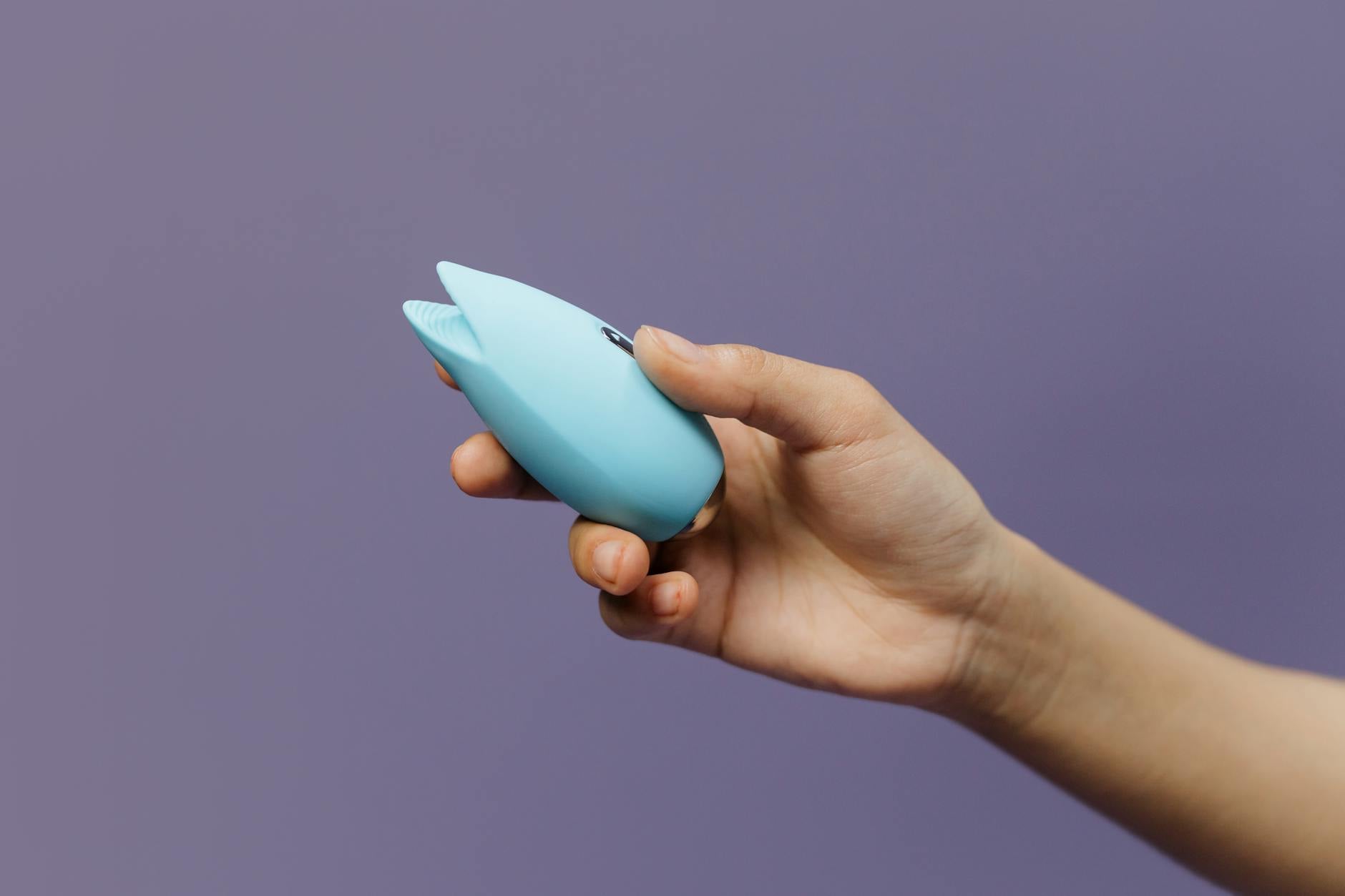
Photo by cottonbro studio on Pexels
Using a lemon vibrator with a partner when you check out
If this is happening during partnered sex, the dynamic changes slightly but the principle holds.
Tell your partner what's happening. "Sometimes my mind wanders, it's not about you, but I want to try something." Then use the Lem together. Your partner can hold it, or you can guide their hand, or you can use it while they're inside you or next to you. The point is that the sensation is so specific and present that your brain organizes around it.
This also gives your partner something concrete to do rather than guessing. Instead of "Am I doing this right?" they have clear feedback: "She's engaging when we use the Lem because the sensation is stronger." That often feels less pressured than trying to intuit responsiveness on your own.
One more thing: if disconnection happens during partner sex, sometimes it's not about sensation at all. Sometimes it's about feeling unseen or unsafe. How to talk about lemon vibrators with your partner without awkwardness covers that conversation. The toy is useful, but the emotional setup matters too.
When disconnection is deeper
If your mind leaves every single time, or if it feels less like wandering and more like the whole experience happens to you while you're watching from outside, that's dissociation and it's worth talking to a therapist about. A vibrator can help anchor you, but it's not a substitute for processing whatever taught your nervous system that leaving is safer than staying.
That said, a good clitoral vibrator can be part of rebuilding body safety. If you've experienced trauma, learning that sensation can feel good and you can stay present for it is actually pretty profound. The Lem's gentleness makes it a good entry point for this because you're not fighting intensity on top of emotional weight.
Why patterns matter more than intensity
Most of the clitoral vibrators out there crank straight to high intensity. That works if you want to be blasted into sensation and can't escape. But for someone trying to rebuild presence, lower patterns with longer duration actually retrain your nervous system more effectively.
You're practicing staying. You're telling your body "this is safe enough to pay attention to." The Lem's design specifically supports this because you can sit in pattern 1 for 20 minutes if you want, and the sensation stays consistent and responsive.
The timeline for reconnecting
Don't expect instant results. Your brain has learned to leave, and learning to stay is a skill. Most people notice a difference in 3-4 weeks of consistent practice. You'll probably drift less far, come back faster, or have longer stretches of presence.
The goal isn't to never have a wandering thought. That's impossible and honestly boring. The goal is to have the ability to notice you've drifted and choose to come back, rather than disappearing for the whole experience.
What to avoid
Don't shame yourself into presence. That makes it worse. Self-judgment activates the same nervous system response as whatever made you leave in the first place. Presence comes from feeling safe, not from pressure.
Don't jump straight to high-intensity settings hoping that'll force you to focus. It won't. It'll just feel overwhelming and you'll disconnect harder.
And don't assume it's your partner's job to keep you present. This is something you're building in your own nervous system. A partner can support it, but you're the one who has to decide to stay.
FAQ
Can a lemon vibrator help with dissociation during sex?
Partially, yes. Intense clear sensation can help ground you in the present moment and make dissociation harder. But dissociation is often rooted in trauma or chronic stress, so a vibrator is a tool, not a treatment. If dissociation is severe or frequent, working with a trauma-informed therapist is important. A lemon clitoral vibrator can support that work, but it can't replace it.
Why does air-suction feel different than regular vibration for staying present?
Air-suction creates a pulling sensation that feels more like touch or another person's mouth than traditional vibration does. It's gentler but more complex neurologically, which means your brain finds it harder to ignore or tune out. The sensation keeps changing slightly even on the same pattern, which keeps attention engaged rather than letting it go static and drift.
How long does it take to stop dissociating during sex?
It depends on whether dissociation is a trauma response or just distraction. For general mind-wandering, most people notice improvement in 3-4 weeks of regular practice. For dissociation rooted in trauma, it takes longer and usually requires therapy alongside the sensory work. Patience matters more than speed here.
Can using a lemon vibrator alone help me reconnect if I'm disconnecting with my partner?
Yes, but there's an important distinction. Solo practice rebuilds your capacity to be present with sensation. That skill transfers, but it's different than presence during partnered sex. If disconnection happens specifically with your partner, there's often an emotional or relational piece. Solo practice with how to use a lemon vibrator when you want deeper sensation without intensity helps rebuild sensation confidence. Then addressing the relational piece separately matters too.
What if I'm on medication that makes it hard to focus?
Some medications (ADHD meds, antidepressants, stimulants) can affect both focus and sensation. If this started after starting a medication, talking to your prescriber about timing or dose is worth it. In the meantime, a lemon vibrator's clear, responsive sensation still helps anchor you more than no sensation would. You're working with what you have.
Is it normal to feel nothing at first when using a clitoral vibrator?
Yes, especially if you've been dissociating. Feeling comes back gradually as your nervous system learns it's safe to be present. The Lem at low patterns is good for this because you're not fighting high intensity while also trying to rebuild sensation and presence. Give it time.
The actual bottom line
Your mind leaving during sex isn't a character flaw or a sign you're broken. It's a sign your nervous system learned something that made leaving feel necessary. The good news is that nervous systems can unlearn things too. A clear, responsive sensation like what a good lemon clitoral vibrator provides gives your brain something vivid enough to hold onto. Add intention, time, and patience, and most people find their way back to being present. You can too.