Here's what nobody tells you about coming back to sex
Taking a break from sexual activity—whether it's been two years or ten—rewires your relationship with your own body. That's not dramatic. That's neurology. Your nervous system gets used to absence the same way it gets used to routine. Which means returning to pleasure isn't about flipping a switch. It's about gentle, patient rewiring.
I've worked with hundreds of people restarting their sex lives after long pauses—divorce, grief, medical stuff, burnout, kids everywhere, just life getting in the way. Almost all of them say the same thing: "I don't even know if I still want it." That sentence almost always means: I'm terrified I've changed too much.
You haven't. Your body just needs permission and practice.
Why your body feels like a stranger right now
When sexual activity stops for an extended period, a few things happen physiologically. Pelvic blood flow changes. The vaginal tissue shifts—lubrication patterns alter, elasticity softens slightly. Nerve sensitivity doesn't disappear, but the signal between your brain and body gets quieter. Think of it like a language you spoke fluently and haven't used in years. The vocabulary is still there. You've just gotten rusty.
The psychological piece is actually larger than the physical one. After years without, the anticipatory anxiety shows up first. "What if I don't feel anything? What if I've forgotten how?" Those thoughts are completely normal. They're also not predictions. They're just old recordings.
Here's what I see change most quickly with clients: once they give themselves permission to move slowly, without outcome pressure, the pleasure comes back much faster than they expect.
Why a lemon vibrator makes the transition easier
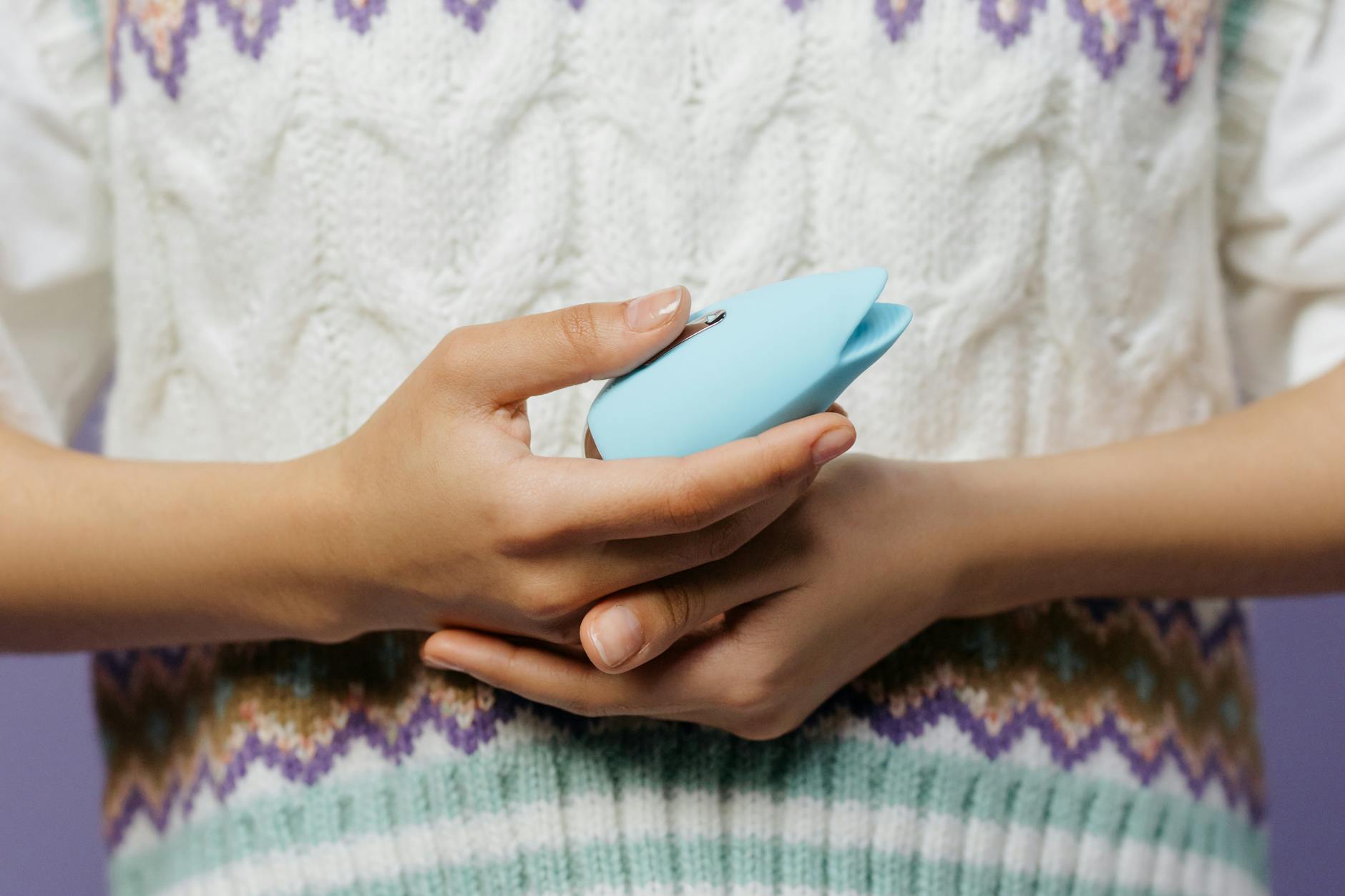
A clitoral vibrator like the Lem is genuinely different from what your body might remember. If your last experience with toys was years ago, vibration technology has evolved. More importantly, suction-based stimulation works differently than traditional vibration.
When you've been away from sexual sensation for a long time, direct friction can feel overwhelming. Suction stimulates without that intensity. It's gentler on tissue that hasn't been stimulated in a while, and it tends to build arousal more gradually—which is exactly what your nervous system needs right now.
A lemon vibrator also removes the performance piece. Solo exploration with a toy means zero pressure to respond a certain way or finish on anyone's timeline. That's radical after being absent from your own pleasure for years.
Step one: permission without performance
Before you pick up any toy, the real work is mental. Most people don't fail at returning to pleasure because their bodies are broken. They fail because they're holding themselves to an old standard of what sex "should" feel like.
Here's what I want you to know: your arousal timeline is different now. That's not a problem. It's information. Slow arousal isn't broken arousal. It's just what your body needs after a long reset.
Give yourself permission to spend twenty to thirty minutes on something that might not lead anywhere. That's not wasted time. That's rebuilding. Your nervous system needs to remember that pleasure is safe, that it's allowed, and that it doesn't have to earn anything.
Step two: restart with sensation, not sensation seeking
The temptation after years away is to jump straight to intensity. Don't. Start with exploration instead.
When you're alone and have privacy, spend a few sessions just touching yourself—no toy, no goal. Notice what still feels good. Where does your body have sensation? Where does it feel numb? What areas have you forgotten about? This isn't erotic. It's cartography. You're remapping your own geography.
After a few solo sessions with your hands, introduce your Lem on the lowest setting. Most people after a long break can't handle Lem's patterns at full intensity. Start at pattern one or two. You're not trying to orgasm. You're reintroducing your clitoris to vibration and teaching your brain that stimulation can feel good again.
Many clients tell me they're shocked by how sensitive they've become—sometimes even oversensitive at first. That's common. Your nervous system is waking up. Use more lubricant than feels necessary, keep sessions to ten to fifteen minutes, and do this three or four times a week until your body starts asking for more.
Step three: build the conversation between body and brain
After years without sexual activity, the disconnect between what you think should feel good and what actually feels good can be huge. Your mind might be trying to access old templates of arousal that don't fit your body anymore.
During this rebuilding phase, the goal is to get your brain and body talking again. That means presence. When you're using your lemon vibrator, notice what's actually happening instead of what you think should happen. Is the sensation building or plateauing? Does a particular pattern make your mind wander or hold focus? Do you feel more arousal after five minutes or fifteen?
This is intimate research into your own body. It takes patience. It also tends to rekindle more pleasure than jumping to outcome-focused sex ever does.
Step four: timeline—what to expect month to month
Weeks one to two are usually about getting comfortable with touch again. Sensation might feel dull, which is normal. Some people feel almost nothing for the first few sessions. That doesn't mean it's broken. Your nervous system is still learning to receive.
Weeks three to four, arousal usually starts showing up more reliably. You might notice your clitoris responding to touch where it didn't before. Lubrication often increases. These are signs your body is coming back online.
Month two, many people report their first orgasm in years—or their first new kind of orgasm. The shape of pleasure after a long break is often different than it was before. It might be shorter, or longer, or more localized. That's not worse. It's your baseline now.
Month three and beyond, most people find their rhythm settling into whatever feels right for them. For some that's weekly. For others it's twice weekly. The key is consistency without pressure.
The role of lubricant and patience
After years away, even if you're producing lubrication, use more than you think you need. A water-based lubricant reduces friction and makes the sensation more focused. It also tells your body that this is safe—you're not pushing through anything.
One of the biggest mistakes people make is rushing the timeline. They have one good session and then expect every session to feel that way. Sex after a long break is more like learning an instrument than flipping a switch. You practice. Some days are better. Some days your body is more responsive. Both are normal.
If pain shows up—not discomfort from sensation returning, but actual pain—stop and see your GP. Vaginismus (involuntary tightening) is common after long breaks and is absolutely treatable. Don't power through it.
What changes if you have a partner through this
If you're restarting with a partner in the picture, communication matters more than anything. Your partner needs to understand that you're rebuilding, which means slowness isn't rejection. It's necessity.
Most partners are relieved when you take the pressure off. "I need to explore solo first" or "I'm going to spend a month just getting comfortable with sensation again" gives them permission to stop wondering if they're doing something wrong.
Once you've spent a few weeks rebuilding on your own, partnered pleasure can start returning—but keep that slower pace. Restarting intimacy after years solo looks different when another person is involved. The body needs even more reassurance.
Why the Lem works for this specific transition
A lemon clitoral vibrator is designed for exactly this—slow, building sensation that doesn't overwhelm. The suction technology means you're not getting repetitive friction that can numb the area. Instead, you get pulsing waves that mimic the body's natural arousal response.
After years away, that gentle reintroduction is often the difference between "this feels like nothing" and "oh, this is actually working." The Lem's patterns also give you choice without chaos. You're not toggling between fifteen options. You're choosing between a few gentle rhythms and learning which ones your body responds to.
A note on grief and shame during this process
Many people coming back to pleasure after years away feel grief. Grief for the time lost, for the version of themselves who wanted sex more easily, for relationships or bodies or circumstances that changed. That's real, and it matters.
Your job isn't to fix that grief or move past it quickly. It's to let it exist while you're also rebuilding pleasure. Those two things can happen at the same time. You can feel sad about what's been lost and also curious about what feels good right now. You can grieve a change and also explore a new baseline.
Shame has no place in this process. You're not broken for needing time. You're not broken for taking years off. You're not broken for being different now. You're just rebuilding, and that deserves patience and kindness from yourself.
FAQ
How long does it usually take to feel pleasure again after years without sexual activity?
Most people notice measurable changes within three to four weeks of consistent, low-pressure exploration. Full arousal patterns and orgasm often return within two to three months. Everyone's timeline is different, though. Some people feel things shift in two weeks. Others need four months. There's no "too slow" here.
Is it normal to feel numb when I start using a lemon vibrator again?
Completely normal. Your nervous system has reset. Numbness often comes before sensation returns. Keep going at low intensity for two to three weeks before assuming anything is wrong. If numbness persists past that without any change, talk to your GP.
Can I damage my body by taking years off from sexual activity?
No. The vaginal tissue and clitoris don't "forget" how to respond. They just need reactivation. Think of it like a muscle that's been rested. It needs gentle use to wake up, not aggressive exercise.
Should I use a lemon vibrator alone first, or can I bring it into partnered sex right away?
Alone first, almost always. Your brain and body need to rebuild trust without the added pressure of someone else being present. Spend at least three to four weeks in solo exploration before introducing a partner to the experience. That gives your nervous system time to settle.
What if I don't want to orgasm? Can I just explore sensation?
Yes. Pleasure and orgasm aren't the same thing. Some people restarting after years want to rebuild sensation and arousal without pushing toward climax. That's completely valid. A lemon vibrator works beautifully for that because it offers nuance and gradation instead of just "on" or "off."
How do I know if something's wrong versus just my body adjusting?
Pain means something's wrong and worth checking with a healthcare provider. Discomfort, numbness, slowness, or lack of sensation are usually just adjustment. If pain appears, don't power through it. Vaginismus and other conditions after long breaks are common and treatable.
You don't need to rush this
Honestly, the best thing about coming back to pleasure after years away is that you get to build it intentionally. Most people don't get to restart their sex lives from scratch with patience and curiosity. You do. That's a gift, even if it doesn't feel like one right now.
Your body's timeline is its own. Your mind's permission is everything. And a tool like a lemon vibrator can make the physical part so much gentler. Start slow. Show up consistently. Trust that pleasure is still there. It's just waiting for you to remember how to find it.