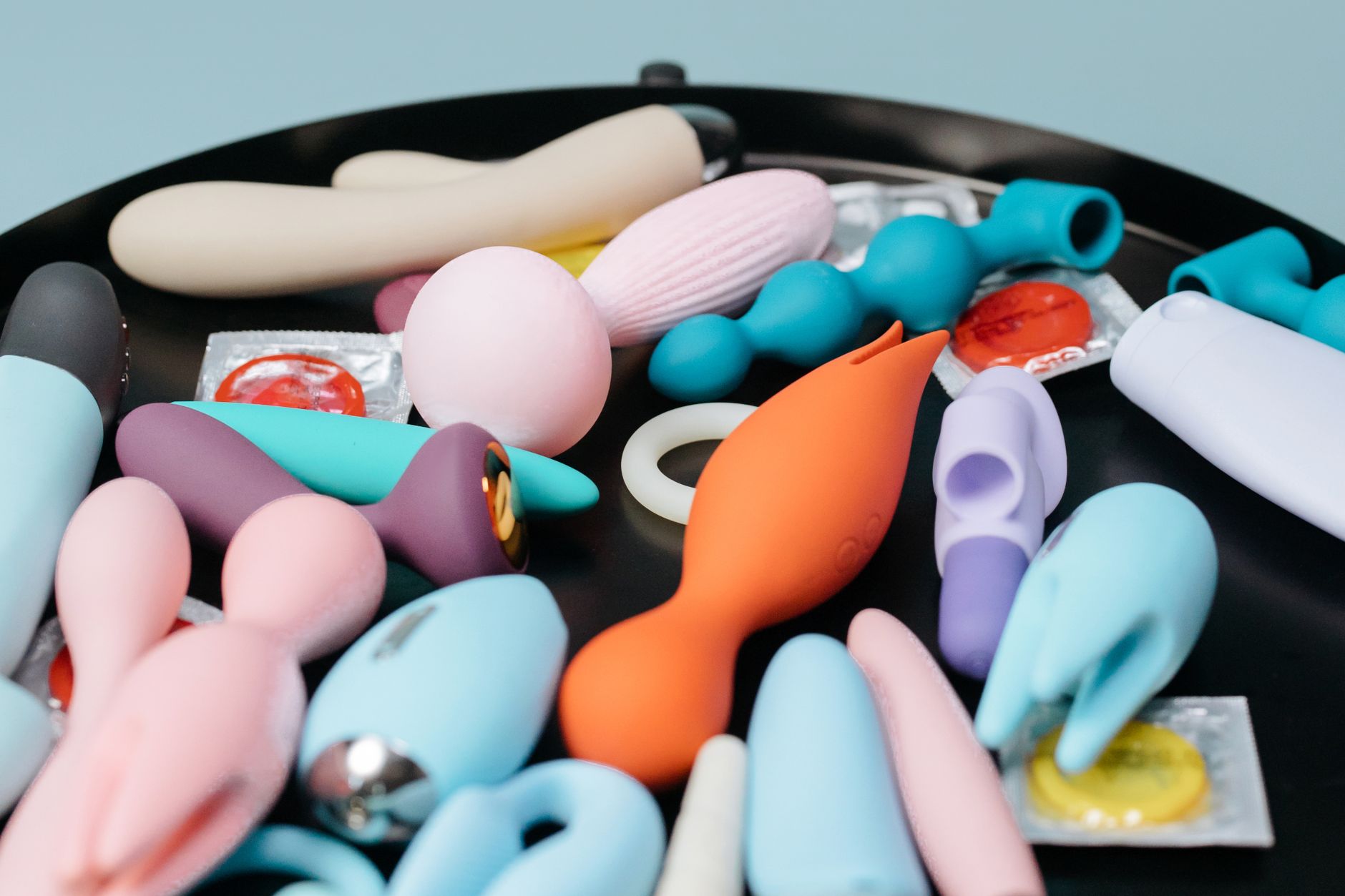
Let's name what's actually happening
You've been on your own for a while. Maybe it was intentional, maybe not. Either way, the idea of being intimate with a partner again feels weirdly both appealing and terrifying. Your body might not remember its own signals. Your confidence around pleasure might feel rusty. And the thought of communicating what you want to another person? That can feel like learning a new language.
Here's the thing though: a lemon clitoral vibrator can be your best bridge back into partnered intimacy. Not because it replaces connection, but because it lets you reconnect with yourself first.
Why your body might feel unfamiliar to you
After years without a partner, something shifts neurologically. Your arousal pathways don't disappear, but they do get quiet. Think of it like a muscle you haven't used. You remember it exists, but reaching it takes a different kind of attention.
Most of my clients report that when they've been solo for a long time, their clitoris becomes less responsive to casual stimulation. Not because something's wrong. It's because you haven't been practicing the specific neural activation that partner sex requires. Your solo pleasure rhythm, if you had one, probably looked different from what a partner would bring.
There's also a psychological piece. After years alone, your nervous system gets used to full control. A partner's touch introduces variables you're not expecting. A vibrator like the Lem, which you operate, gives you back that control while you're learning to share pleasure again.
Starting with solo exploration first
Before you even think about a partner, spend a few weeks getting reacquainted with your own body. This isn't about performance. It's about data collection.
Find a quiet time when you're genuinely curious, not pressured. Use the lemon vibrator on the lowest setting. Notice where the sensation feels best. Does the tip work better than broad pressure? Do you prefer circling or holding steady? How long does it take for your arousal to build now?
Set a timer for 15 minutes and don't aim for orgasm. Just explore. Your body might surprise you. Some women find their pleasure response has actually deepened over years alone. Others find it takes longer to arrive. Both are completely normal.
Keep notes, honestly. What patterns emerge? When do you feel most relaxed? Does time of day matter? Are there thoughts or fantasies that help you get there? This information is gold when you eventually bring a partner into the picture.
How a lemon sucker helps with confidence
One of the biggest barriers to restarting with a partner is shame. You might feel awkward about your body, or worried that you've forgotten how to be sexual, or anxious that your desires have changed.
Using a lemon vibrator solo in the weeks before you're intimate with someone else does something crucial: it proves to you that your pleasure still works. That your body still knows how to respond. You're not broken. You're not rusty in a way that matters.
When you walk into a partnered situation knowing, from direct evidence, that your body can still feel good and climax, something shifts in your nervous system. The shame quiets down. The anxiety becomes less about whether you're capable and more about whether this specific connection feels right.
Communicating what you've learned
Here's where many people get stuck. You've figured out that you like firm pressure at the base of the clitoris, or that you need 20 minutes to fully warm up, or that indirect stimulation feels better than direct. Now what?
Don't make it a lecture. The best moment to share this is during intimacy, not in a planning conversation. If your partner is touching you and you notice you're responding better to a different angle, gently guide their hand. "Here, like this" is way less awkward than a pre-game briefing.
If you want to involve the lemon vibrator with a partner, introduce it the same way. Use it alone first a handful of times so it feels natural in your hand. Then, when things are already intimate, mention it casually. "I've been exploring what feels good. Want to try this together?"
Most partners are relieved when you bring clarity about your own pleasure. It takes the guesswork out of the equation.
Building the bridge from solo to partnered slowly
The mistake most people make is jumping straight from years of solo pleasure to expecting partnered sex to feel the same. It won't. It's not supposed to.
Partner intimacy involves different variables. Their rhythm, their touch pressure, their timing. Even if your partner is attentive and skilled, their touch will feel different from the control you had over your vibrator. That's not a problem. It's just a transition.
I recommend a graduated approach. Week one: solo exploration with the lemon vibrator. Week two: maybe introduce light partner touch alongside your own touch with the vibrator. Week three: partner touch alone. You're slowly teaching your nervous system to trust a new kind of stimulation.
If at any point you feel anxious or disconnected, that's information. Slow down. Go back to what feels safe. This isn't a race.
What to expect emotionally
Restarting intimacy after a long solo stretch can bring up weird feelings. You might feel vulnerable or exposed in ways you didn't anticipate. You might feel grieving for the years you spent alone. You might feel excited and terrified simultaneously.
All of that is normal. Your body has been your own for a long time. Sharing it again requires a renegotiation of boundaries and trust, even if it's with someone you care about deeply.
Keep using your vibrator through this transition, even as you're building partnered intimacy. It's your anchor to what feels good on your terms. It's proof that your pleasure is real and worth honoring, regardless of whether a partner is involved.
The role of the vibrator once you're partnered again
Here's what I tell my clients: a lemon clitoral vibrator doesn't replace a partner. It enhances your understanding of what you want, and it can absolutely enhance partnered sex too.
Many couples find that incorporating a vibrator makes sex easier for the partner who needs clitoral stimulation to orgasm. Instead of the partner doing repetitive motions that get exhausting, the vibrator does the work. Your partner can focus on other kinds of touch. Everyone feels better.
For restarting after a long solo stretch, the vibrator serves a specific purpose: it helps you remember that your body is capable of pleasure, it gives you data about what you want, and it builds your confidence before and during partnered experiences.
Use it as a tool, not a crutch. The goal isn't to become dependent on it for orgasm. The goal is to use it as a bridge back to knowing yourself sexually, so that you can eventually share that knowledge with a partner.
FAQs
How long should I wait before introducing a vibrator to a new partner?
There's no timeline. Some people bring it up in the first few months of dating. Others wait until a relationship is more established. The question isn't timing, it's comfort. You should feel secure enough in the relationship that introducing your pleasure needs doesn't feel risky. For most people restarting after a long solo stretch, that's somewhere between three and six months in. But trust your gut.
Will my partner be threatened by the fact that I'm using a lemon vibrator?
Most partners aren't, especially if you frame it as something that helps you. The insecurity usually comes from misunderstanding. Partners sometimes worry that the vibrator means the partnered sex isn't enough. Clarity helps. "I love what we do together. This is something I enjoy alone, and it helps me understand my own body better." That's usually enough.
Can I use the lemon clitoral vibrator while my partner is inside me?
Absolutely. Many people use a vibrator during penetration for extra clitoral stimulation. The pressure and angle work well together for lots of bodies. Start with the lowest setting so you're not overstimulated, and talk with your partner about what feels good for both of you.
What if I can orgasm with my lemon vibrator but not with my partner yet?
That's common when you're restarting. Your nervous system is used to the specific rhythm and pressure of your vibrator. Your partner's touch, no matter how attentive, is different. This isn't a problem with your partner or your body. It's just a learning curve. Keep using the vibrator solo to keep your arousal neural pathways open. With your partner, focus on pleasure and connection rather than orgasm as the goal. The orgasm often follows.
How do I know if I should use the vibrator with a partner the first time we're intimate?
Don't. Go with just touch and exploration first. Let yourself experience your partner's touch without the vibrator mediating it. Then, once you've had a few experiences together, introduce the vibrator if you want to. This lets your nervous system adjust gradually rather than getting overwhelmed with too many new variables at once.
Is it normal to feel awkward bringing up toys with someone I haven't been intimate with in years?
Completely normal. You've been out of the dating or partnering world. Your reference points might be outdated. But here's what's true now: most people under 45 have used a vibrator or are open to it. It's not the taboo conversation it might have been years ago. A simple "I've been exploring what feels good to me, and I'd like to share that with you" is enough. If someone reacts badly, that tells you something important about whether you want to be intimate with them anyway.