Here's the thing about long-distance relationships
There's a version of you that exists only in text messages and video calls. You're witty when you've had time to craft the message. You're vulnerable in controlled bursts. Physical desire gets theorized instead of felt. Then one day, the distance ends. You're in the same room again. And suddenly neither of you remembers how to touch.
This is wildly common. The myth is that proximity automatically solves everything. It doesn't. Months or years of distance rewires how your body expects to connect. Reentry takes intention.
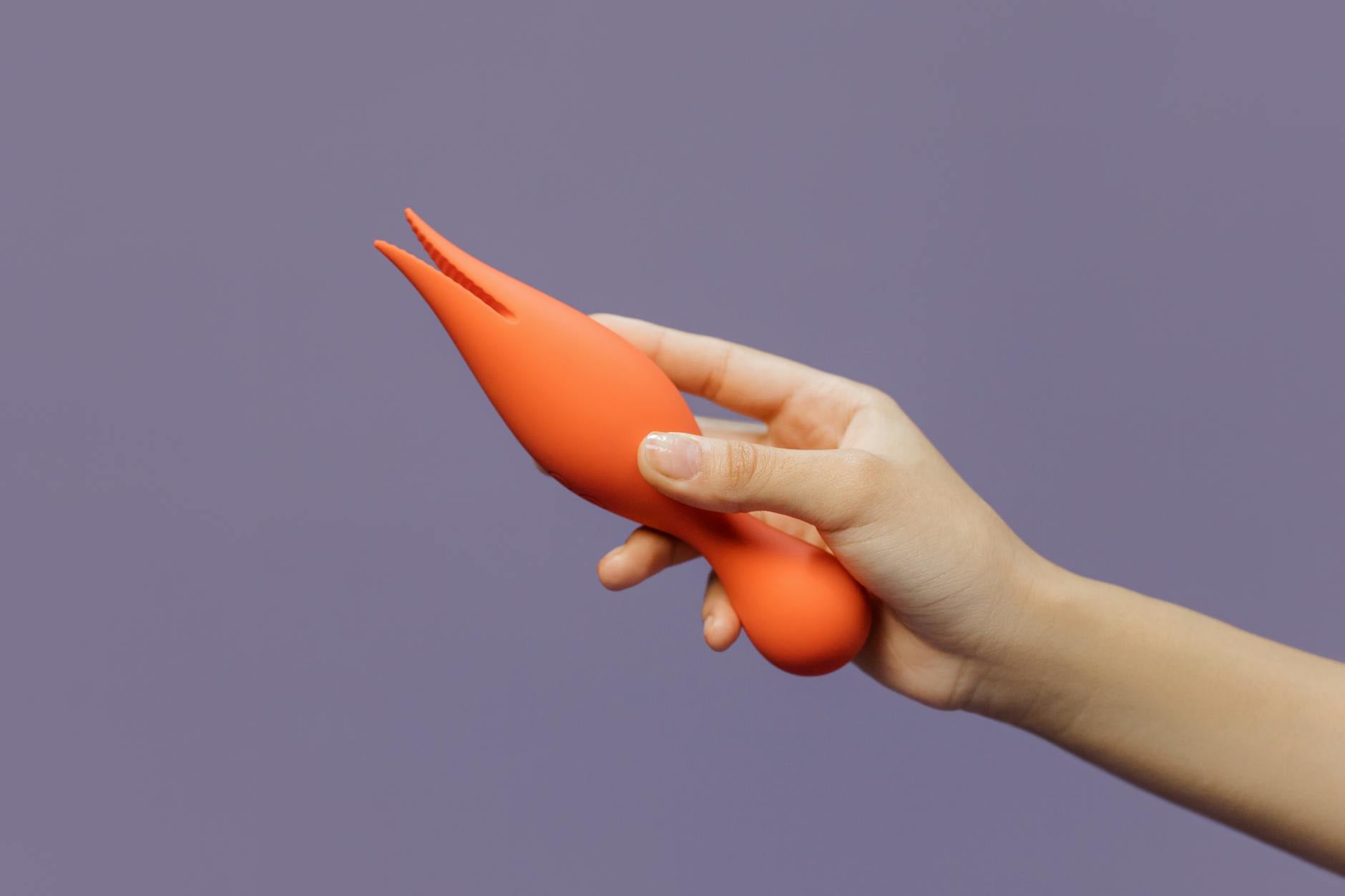
A lemon clitoral vibrator isn't magic, but it's a practical tool that helps restart the conversation between your body and pleasure. And when you're rebuilding intimacy with a partner after physical separation, that conversation matters.
Why long-distance breaks the pleasure signal
When you're apart, sex becomes either impossible or a performance optimized for screen connection. You're working around wifi, time zones, and the strange self-consciousness of being watched through a camera. The neural pathways that usually light up during pleasure get dormant. Your body stops expecting physical release to come from your partner's touch.
Meanwhile, your partner's nervous system has done the same thing. You're both running on fumes of what you remember, not what you're actually feeling.
When you reunite, there's often a lag. The body doesn't snap back to arousal immediately because it wasn't preparing for it. There's also sometimes guilt. You might feel pressure to perform instant chemistry because the distance made every second feel precious. That pressure kills arousal faster than anything.
Here's where a lemon vibrator becomes useful: it lets you solo reconnect with sensation before trying to reconnect as a couple.
The solo phase: rebuilding your own pleasure baseline
Spend a week or two using a lemon clitoral vibrator alone, without the expectation of partnered sex. This isn't about avoiding your partner. It's about retraining your body to recognize arousal as something that belongs to you, not something you perform for someone else.
Start with the Lem on low patterns. The suction-based design of a lemon vibrator means you're not fighting intense direct pressure. You're building sensitivity gradually. Set aside 20 minutes where there's zero expectation of orgasm. Just sensation. This might feel awkward the first few times, especially after months of distance. That's normal.
Notice what your body actually wants. After long-distance, your body might want slowness. It might want to be surprised. It might want intensity you haven't felt in months. Don't assume you know. Let the vibrations teach you what's changed.
Do this in the presence of your partner, but not with them yet. You might close the bedroom door, or they might be in the living room. The point is: you're not hiding, but you're not performing either. This is a specific kind of intimacy where your pleasure is your responsibility, not theirs. Many couples find this phase dissolves the awkwardness faster than any conversation.
The conversation that has to happen before you merge again
Before you use the lemon vibrator together, say these things out loud.
First: "I'm nervous." Not because of the vibrator, but because you're relearning how to be physical. That's legitimate. Name it.
Second: "This is not about you not being enough." This tool exists because bodies need time to remember. Using it together isn't a reflection on your partner's capacity or desirability.
Third: "We can't skip to what we were doing before." Long-distance didn't pause you in amber. You both changed. Your desires might be different now. Your bodies might respond differently. That's information, not failure.
If your partner is uncomfortable with the idea of a lemon vibrator, that's worth hearing. Listen for what the discomfort is really about. Often it's about feeling inadequate or replaced. Reassurance helps: "I want you. I also want to feel good. These aren't in competition."
Using the lemon vibrator together after long-distance
Start with solo use while they're present and engaged. You might be lying together, and you're using the Lem on yourself while they touch you elsewhere, kissing your neck or shoulders. The vibrator handles one kind of stimulation. Your partner handles another. This teaches both nervous systems that you can coexist.
Then try: they hold the lemon vibrator and you guide the intensity and placement. This keeps you in control of your pleasure while receiving their attention. It's collaboration, not performance.
What usually happens next is surprising. By the third or fourth session of this, desire restarts naturally. Your body remembers that arousal with a partner is safe. Your partner sees what works for you. Pressure drops. Fun returns. The actual sex that follows tends to feel less like catching up and more like starting fresh together.
The timing piece everyone forgets
If you've been long-distance for six months or longer, don't expect immediate chemistry the first week you reunite. Give it at least two to three weeks of intentional reconnection before you decide something's broken. Your nervous system needs time to re-recognize touch as pleasurable rather than novel or overwhelming.
A lemon clitoral vibrator accelerates that process because it's familiar to your own body even if your partner's touch feels foreign again. It's a bridge, not a replacement.
When to keep the vibrator in the mix long-term
Honestly, many couples who navigate long-distance and use a lemon vibrator during reentry find they keep using it together afterward. You've learned something: a tool that gives both of you access to more pleasure isn't a threat. It's an option. Some couples use it during foreplay always. Others bring it in when arousal is slower to build. A few use it solo, and it just becomes part of their individual routine.
None of those is wrong. The point isn't the vibrator. The point is that you've both agreed pleasure is worth protecting, and you're willing to get creative about it.
The emotional side that's more important than the vibrator
Here's what I tell couples coming out of long-distance in my practice: the body follows the brain. If you believe reconnection is complicated and fragile, your body will believe that too. If you believe you're learning each other again, and that's kind of hot, your body settles into that narrative.
Using a lemon vibrator during reconnection isn't about fixing broken desire. It's about telling your nervous systems that pleasure together is still possible, and you're both interested in finding out what that looks like now.
That matters more than the device itself.
FAQ: Reconnecting after long-distance
How soon after reuniting should we use a vibrator together?
Wait until you've been in the same place for at least three days and there's been some low-pressure physical touch. Kiss, cuddle, hold hands. Let your bodies remember contact isn't scary. Then introduce the lemon vibrator when you're both rested and curious, not when you're trying to fix something urgent.
What if my partner feels threatened by the vibrator?
That's worth exploring in conversation, ideally before you're in the bedroom. Sometimes the threat is really about feeling inadequate. Sometimes it's about loss of control, or a belief that toys aren't "real" sex. Once you know what it is, you can address it. You might also read about it together, or talk to a relationship therapist if it's a deeper incompatibility. But often, seeing it work and how much pleasure it creates in your partner dissolves the resistance pretty quickly.
Can we use a lemon vibrator during long-distance video sex?
Yes, if you both want to. Some couples find it makes the experience more connected because you're both building toward something real, not just performance. Others find it awkward with the camera angle or the lag. Do what feels natural. The point of long-distance isn't usually to replicate partnered sex perfectly. It's to stay connected. A vibrator is one tool among many.
Will using a lemon vibrator during reconnection make partnered sex feel less satisfying?
Actually, most couples say the opposite. Once you've used a clitoral vibrator together, partnered sex often feels fuller because you're not putting all the pressure on one person's body to do all the things. The vibrator does what it does well, and your partner brings their own energy. It's collaborative, not competitive.
How do we know if the vibrator is helping or if we're just masking a real problem?
If you're using the vibrator and feeling more connected, more pleasure, more laughter in the bedroom, it's helping. If you're using it to avoid a conversation about desire, resentment, or emotional disconnection, that's a different problem. The vibrator isn't a substitute for talking. But if communication is solid and you're just rebuilding physical chemistry, a lemon vibrator is genuinely useful.
What if one of us wants to keep using the vibrator and the other wants to stop?
That's a negotiation, not a referendum. You might use it sometimes and not others. You might use it solo and not partnered. You might take a break and restart later. The goal isn't permanent agreement on the vibrator. The goal is agreeing that both of your pleasures matter. Everything else is logistics.
Reconnecting after long-distance is one of the hardest transitions in relationships because it asks you to rebuild something that felt automatic before. It requires vulnerability, patience, and permission to figure things out together. A lemon clitoral vibrator isn't the answer, but it's a really practical way to have a conversation with your body and your partner about what pleasure looks like now. If you're working through reconnection, consider exploring solo pleasure first, or talk with how to rebuild connection after conflict if emotional friction is part of what's happening. And if the distance has created deeper relationship fissures, that's a conversation worth having with a therapist alongside the physical reconnection. Your body knows how to feel good. It just needs permission and time.