Here's what nobody tells you about bringing toys into a relationship
Most people assume the first time you use a lemon vibrator should be with a partner. That's backwards. Solo exploration isn't a test run or a rehearsal for the real thing. It's the foundation that makes partnered play feel less like performance and more like actual pleasure.
When you know your body first, you know what to ask for later. You're not figuring out how a clitoral vibrator works while someone watches. You're not anxious about whether you "look right" or "take too long." You've already answered those questions alone. Everything else becomes easier.
Why solo play with a lemon vibrator changes the equation
There's a neurological reason this matters. When you're alone, your brain isn't split between sensation and social awareness. That split is exhausting and it kills arousal. Solo exploration with a lemon clitoral vibrator lets you build what I call "embodied knowledge." You learn your own rhythm, your own pressure preferences, what makes you actually want to come back for more.
That knowledge is power when you transition to partnered sex. You're not a mystery even to yourself. You can tell your partner what works, what doesn't, and what you want to explore together. That removes the guesswork and the pressure.
Another thing: solo play is where confidence lives. If you've come with a vibrator alone, you know it's possible for you. Doubt disappears. When you move toward partnered exploration later, you're bringing certainty into the room, not anxiety.
Setting up your first solo session with a lemon vibrator
Think about logistics first. You need uninterrupted time, a comfortable space, and zero performance pressure. This isn't about speed or results. This is about curiosity.
Choose a time when your body feels good. Not when you're exhausted, not when you're stressed about something else, not when you're forcing it because you "should." If you have a cycle, the week after ovulation often feels more responsive. If you're post-menopausal, consistency matters more than timing. Build a small ritual: same time of day, same comfortable spot, maybe dim lighting, maybe music. Your nervous system likes predictability.
Start with water-based lubricant. Even if you self-lubricate easily, lube makes everything feel more comfortable and takes pressure off your body to perform. This is especially important if you're exploring after a break from sex, or if natural lubrication has changed with age or medication.
Charge your lemon vibrator fully before your session. Nothing kills the mood like a toy that dies halfway through. The Lem has a long battery life, but start knowing you have a full charge.
The actual exploration. What to expect and how to use it
Here's the honest part: your first time with a clitoral vibrator alone might not end in an orgasm. That's fine. This isn't about achievement. It's about information gathering.
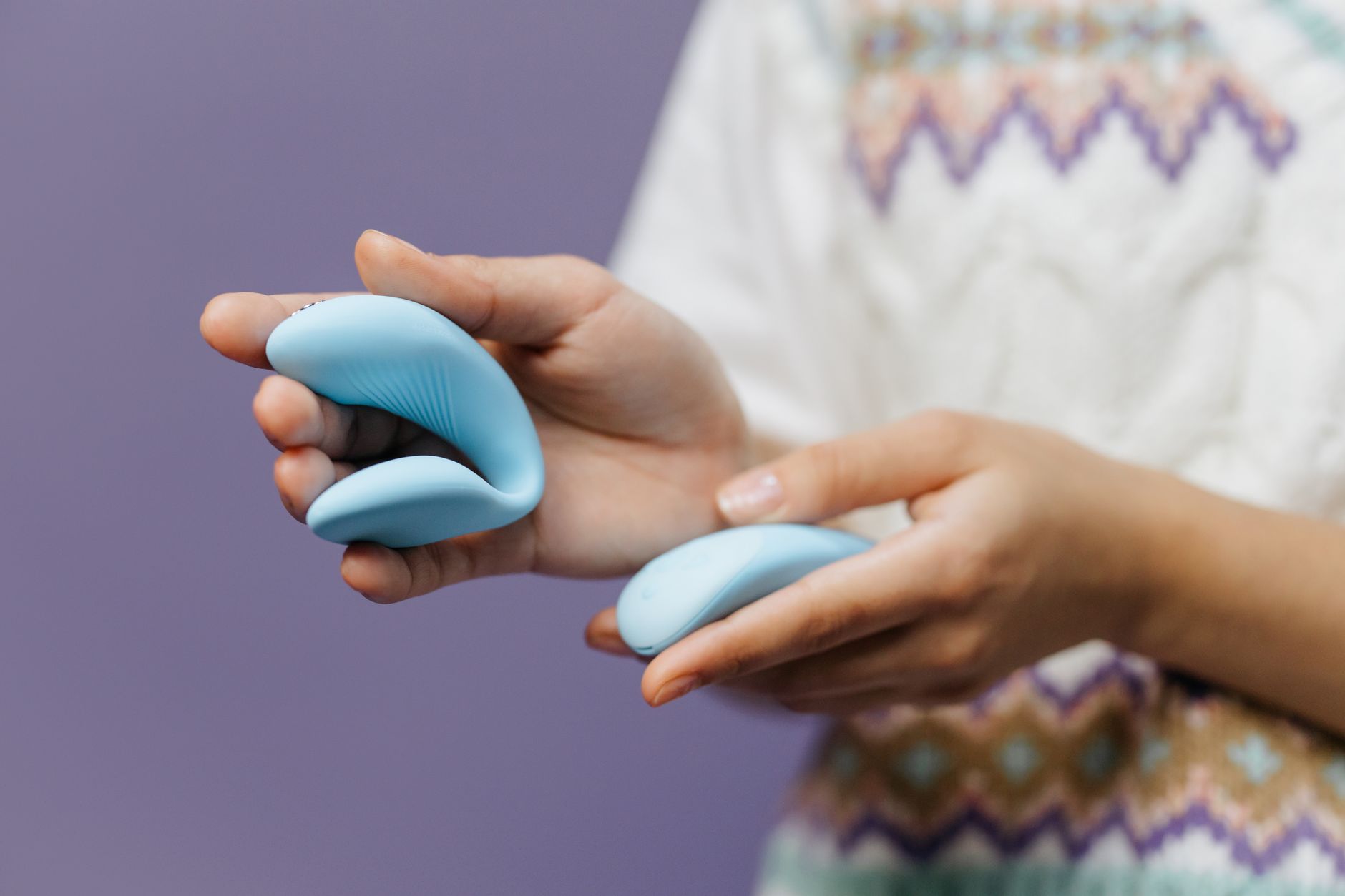
Start with the vibrator off. Get familiar with how it feels in your hand, the weight, the texture of silicone. Hold it against your clitoris gently, without turning it on. Notice what that feels like. No judgment, no expectation.
When you're ready, turn it on at the lowest setting. Most lemon sexual toys have multiple patterns and intensities. Start at pattern 1 or 2. You can always increase. It's harder to dial down if you've overwhelmed yourself.
Notice what happens in your body. Does your breathing change? Does your pelvic floor tense or relax? Do you want more pressure, less pressure, a different pattern? There's no right answer here. You're collecting data about what your body actually wants, not what you think it should want.
If something feels uncomfortable, stop. Don't push through it. Discomfort is information. It tells you something isn't right for you in this moment. That matters.
If pleasure is building, stay with the pattern and intensity that's working. Don't change things constantly. Your nervous system needs consistency to build toward climax. This might take 10 minutes. It might take 30. Time is not the point.

Photo by Madison Inouye on Pexels
What to do if you don't orgasm (and why that's not failure)
Most people expect their first solo session with a lemon vibrator to end in orgasm. It often doesn't. That's completely normal, especially if you're coming back to pleasure after a gap, or if you're managing anxiety, depression, or the aftermath of trauma.
Orgasm is not the goal of solo exploration. Knowledge is the goal. Connection to your body is the goal. Pleasure, in whatever form it takes, is the goal.
If you don't orgasm, that's information. It might mean you need more time to relax. It might mean you need a different pattern or intensity. It might mean your body needed a few sessions to adjust to the sensation. None of those things are wrong.
Do it again. Three to five solo sessions before you think about involving a partner. Each session teaches you something. Each one makes the next one easier.
How to use what you learned when you move to partnered play
Once you've explored alone a few times, you have something to bring to the conversation with a partner. You know which patterns feel good. You know how much pressure you like. You know whether you prefer direct stimulation or indirect suction (the Lem's specialty).
When you introduce a lemon clitoral vibrator to partnered sex, you're not starting from zero. You're collaborating from a place of knowledge. Your partner isn't trying to figure you out. You're both working with information you've already gathered.
This changes everything. There's less performance pressure. There's more actual connection because you're both focused on pleasure, not on getting it right. You might ask your partner to hold the vibrator while you guide them. You might use it while they stimulate you differently. You might use it together and then set it aside. The point is, you're choosing from a place of knowing what works.
The confidence piece: why this matters beyond the bedroom
Here's something I see in my practice over and over. People (especially women, especially people in long-term relationships) have spent so long worrying about whether they're "normal" or whether their bodies work "right" that they've never actually checked.
Solo play with a lemon vibrator answers that question for you. Your body works. You know how it feels pleasure. You know what you like. That's not small information. That changes how you show up in relationships, in conversation about sex, in asking for what you need.
When you've built that confidence alone, partnered exploration stops being scary and starts being playful. That's the shift that makes everything better.
FAQ: Solo exploration with lemon clitoral vibrators
How many times should I use a lemon vibrator alone before introducing it with a partner?
I usually recommend three to five solo sessions. This gives your body time to adjust to the sensation and gives you genuine information about what works for you. But there's no magic number. If you feel ready to explore with a partner sooner, that's fine. If you want more solo time, that's also fine. This is about your comfort, not a checklist.
What if I feel weird or embarrassed using a lemon vibrator alone?
That feeling is so common and completely valid. A lot of us grew up with messaging that pleasure is something that happens to you with another person, not something you create for yourself. That's backwards. You deserve to know your own body. If the feeling persists, start smaller. Explore without the vibrator first. Notice what sensations feel good. Take your time. Shame fades when you practice self-compassion.
Can I use a lemon vibrator during partnered sex if I haven't explored solo first?
Yes, absolutely. But you'll be learning about the toy and your body at the same time your partner is present. That's a lot of variables at once. Solo play first takes some of that pressure off. When you move to partnered play, you're both focused on connection, not on figuring out how the vibrator works.
How do I know if I'm using a clitoral vibrator correctly?
There's no "correct" way. If it feels good and you're not in pain, you're doing it right. Some people like direct stimulation on the clitoris. Some prefer the vibrator against the hood or the surrounding area. Some like the sensation of the Lem's suction patterns. All of those are correct. Your body will tell you what it wants.
What if my body doesn't respond to a lemon vibrator the way I expected?
That's information. Not every toy works for every body. Sensitivity varies based on stress, hormones, medication, past sexual experiences, and a hundred other factors. If a lemon vibrator doesn't work for you solo, it might still be worth trying with a partner (different context, different nervous system state). Or you might prefer a different style of toy. The goal is to find what actually works for you, not to make yourself work for the toy.
Is it normal to feel vulnerable after solo exploration with a vibrator?
Completely normal. You've just reconnected with your own pleasure in an intentional way. That can bring up feelings you've been pushing down, or it can make you more aware of what you've been missing. Both are fine. Those feelings usually pass, and what remains is a deeper connection to your own body.
The bigger picture: solo play as self-knowledge
Using a lemon vibrator alone before involving a partner isn't about warming up for the real thing. It is the real thing. It's you, learning what your body wants, building confidence, and creating a foundation for better sex with a partner later.
When you've done that work, partnered exploration changes. It stops being performance and starts being play. You're both more relaxed, more curious, more focused on actual pleasure rather than getting it right. That's where the best sex happens.
Start solo. Take your time. Notice what feels good. Let your partner know what you've learned when you're ready. Everything else follows from there.