Here's the thing about sensitivity loss
Less sensation doesn't mean less capacity for pleasure. But I get why it feels like a dead end. When your clitoris feels muted, distant, or like someone's touching you through a thick glove, the instinct is to push harder, go faster, or just give up. All three backfire.
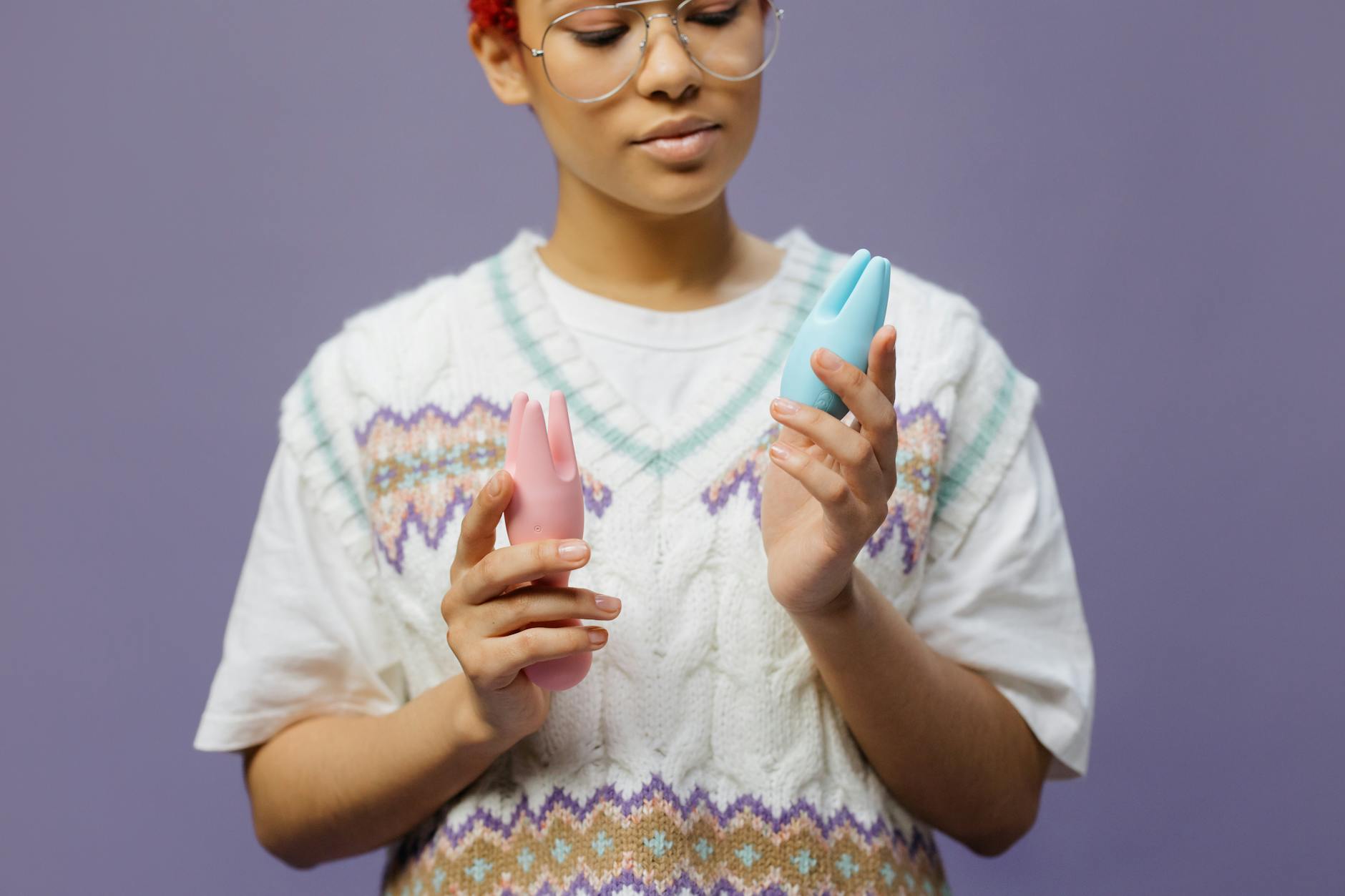
The nervous system responds better to variation, timing, and patience than to brute force. A lemon vibrator works especially well here because it gives you control, gradual buildup, and feedback you can actually feel.
Why sensation gets muted in the first place
Sensitivity loss happens for a bunch of reasons. Hormonal shifts (especially around menopause or after childbirth), medication side effects (SSRIs are notorious for this), stress, or just years of the same stimulation can dull nerve response. Scar tissue, numbness from nerve compression, or even deconditioning from too much intense stimulation can all be culprits too.
The good news. Your nervous system is plastic. It adapts. That means sensation can rebuild, but only if you give it the right conditions. Those conditions are gentleness first, variation second, and patience third.
Building sensation with pattern, not pressure
Here's where most people get it wrong. They think "less feeling" means "more intensity." It's the opposite. Your sensory nerves are already struggling to register input. Smashing them with max intensity actually exhausts them faster.
The Lemon works because you can start at pattern 1 (the gentlest pulsing mode) and let your nervous system wake up gradually. Your job is to stay with it, not to chase the big feeling.
Start by applying the Lemon at the side of your clitoris, not directly on it. Most of the sensitive nerve endings live there. Pattern 1 for five minutes. Notice what you feel. Tingling, warmth, a faint pulse. These small sensations matter. They mean your nerves are listening.
The rhythm that rebuilds feeling
Your nervous system thrives on predictability, then surprise. That's how you rebuild sensation.
Session one: Pattern 1, side contact, five minutes. Nothing else.
Session two (24 hours later): Pattern 1 for three minutes, then pattern 2 for two. Back to pattern 1. Let your body register the change.
Session three: Pattern 1 for two minutes, pattern 2 for three, then pattern 3 for one minute. Brief. Keep it short.
You're training your nerves to recognize stimulation, not exhausting them with volume. That difference is everything.
Using water-based lube to wake up sensation
Lube isn't just for friction. It creates a thin, responsive layer between the toy and your skin. That layer helps your nerve endings register input more clearly.
Use a water-based lube generously. It should feel slick but not sloppy. Apply it to the Lemon and to your clitoris. The extra moisture reduces the friction that can actually numb sensation further and gives your nerves cleaner feedback.
Reapply halfway through. Lube dries. Dead spots kill the whole thing.
Why your mind matters as much as your body
Sensitivity loss is never just physical. There's almost always an emotional layer. Frustration, grief about what's changed, anxiety that it won't come back. That mental noise is a muffler on top of the physical one.
Before you use the Lemon, do five minutes of grounding. Not meditation. Just notice. Where are you in the room? What's the temperature on your skin? What do you hear? Get out of your head and into your body first.
Then when you use the toy, stay curious instead of goal-oriented. "What am I feeling right now?" instead of "Why isn't this working?" The second one tenses you up. The first one keeps you open.
Tempo and breaks matter more than you think
When sensation is low, longer sessions don't help. Short, frequent sessions do. Two to three minutes with the Lemon is better than twenty. Your nervous system needs recovery time between stimulation to recalibrate.
Use it three or four times a week, not daily. Leave at least one day between sessions. Your nerves actually rebuild during rest, not during the stimulation.
And within a session, use breaks. Thirty seconds of the Lemon, thirty seconds off. Feel the difference. Notice when the toy comes back on. That contrast helps your nervous system register what it's feeling.
When indirect stimulation gets you there faster
Direct clitoral contact sometimes numbs you further when sensation is already low. Your nervous system can only handle so much before it shuts down.
Try indirect contact instead. Lemon on the mons pubis (the fleshy area above your clitoris), or on the inner labia nearby. Slightly lower pressure, same patterns. Many people with sensitivity loss report that the indirect approach actually builds sensation faster because it's not overwhelming the system.
Partnered use: the missing piece
If you have a partner, they can amplify this. Not by doing anything to the toy. By being present.
Your nervous system responds differently when you're not alone. Touch from your partner on your thighs, breasts, or neck while you use the Lemon creates a fuller sensory landscape. Your brain registers more input overall, which can make the clitoral sensation pop.
Your partner should know: the goal is NOT orgasm. The goal is sensation. That takes pressure off both of you.
When medication or hormones are the culprit
If you're on an SSRI or other medication that's linked to numbness, talk to your doctor before assuming you need to rebuild sensation through stimulation alone. Sometimes a dosage adjustment, timing change, or switching to a different drug helps. Sometimes adding a libido-boosting medication helps. Sometimes it's both.
Hormonal changes are trickier. You can't always switch hormones. But low-dose topical estrogen or testosterone (if appropriate for your body) can genuinely improve nerve sensitivity. Worth asking about.
The timeline for real change
Rebuild sensation takes four to eight weeks of consistent, patient use. Not because the Lemon is slow. Because your nervous system rebuilds on its own timeline.
When you notice it. Tingling gets sharper. Patterns feel more distinct. A touch that felt like nothing now registers. Those are the wins. Write them down. They matter more than orgasm as a marker that something is working.
FAQ: Questions you probably have
Does numbness from SSRIs go away if I just keep using a vibrator?
Not always. Medication-induced numbness sometimes responds well to consistent gentle stimulation. Sometimes it requires medication adjustment. Talk to your doctor about both routes. The Lemon can help while you're sorting out the medical side.
Can I switch back to my old toy once sensation returns?
Maybe, but move slowly. If you've retrained your system on gentler patterns, jumping back to the toy that numbed you out in the first place can just reverse the progress. Think of it like rebuilding muscle after injury. You don't go back to your max weight immediately.
How do I know if sensation loss is permanent?
It rarely is. Nerve recovery is slow, but it happens. If you've been using the Lemon three times a week for eight weeks and notice zero change, talk to a doctor. Some causes (like nerve damage from trauma or surgery) need medical intervention alongside toy use.
Is it normal for sensation to build unevenly?
Completely. One week your clitoris feels more responsive. The next week it's duller. That's your nervous system recalibrating. Consistency beats perfection. Keep going.
Can anxiety about sensitivity loss make it worse?
Yes. Anxiety creates tension, tension numbs sensation further. That's why the grounding work matters as much as the toy. You're not just stimulating nerves. You're teaching your body it's safe to feel again.
Should I use the Lemon every day to rebuild sensation faster?
No. More is not better here. Your nervous system heals during rest. Daily use exhausts it. Three to four times a week, with days off, works better.
The longer conversation
Sensitivity loss feels isolating. Like something's broken. It's not. It's a signal that something shifted. Maybe hormones, maybe medication, maybe just stress grinding you down. The Lemon can't fix the underlying cause. But it can help you rebuild the sensation while you figure out what needs to change.
If you're also navigating this with a partner, that matters. A good partner understands the difference between "I want more" and "I want this to feel like something again." Those are different conversations. If you need help with the second one, reach out. We can talk through what's happening and what comes next.