Let's start with what vaginismus actually is
Vaginismus is involuntary pelvic floor muscle tension that makes penetration painful, difficult, or impossible. Your body is literally protecting itself. The muscles contract automatically, like a reflex, and no amount of relaxation or willpower changes that. It's not in your head, and it's not a sign you don't want sex. It's a protective response your nervous system has learned.
Here's the thing nobody tells you: vaginismus doesn't touch your clitoris. Your capacity for clitoral pleasure, arousal, and orgasm is completely intact. You can have incredible sexual experiences without ever addressing penetration.
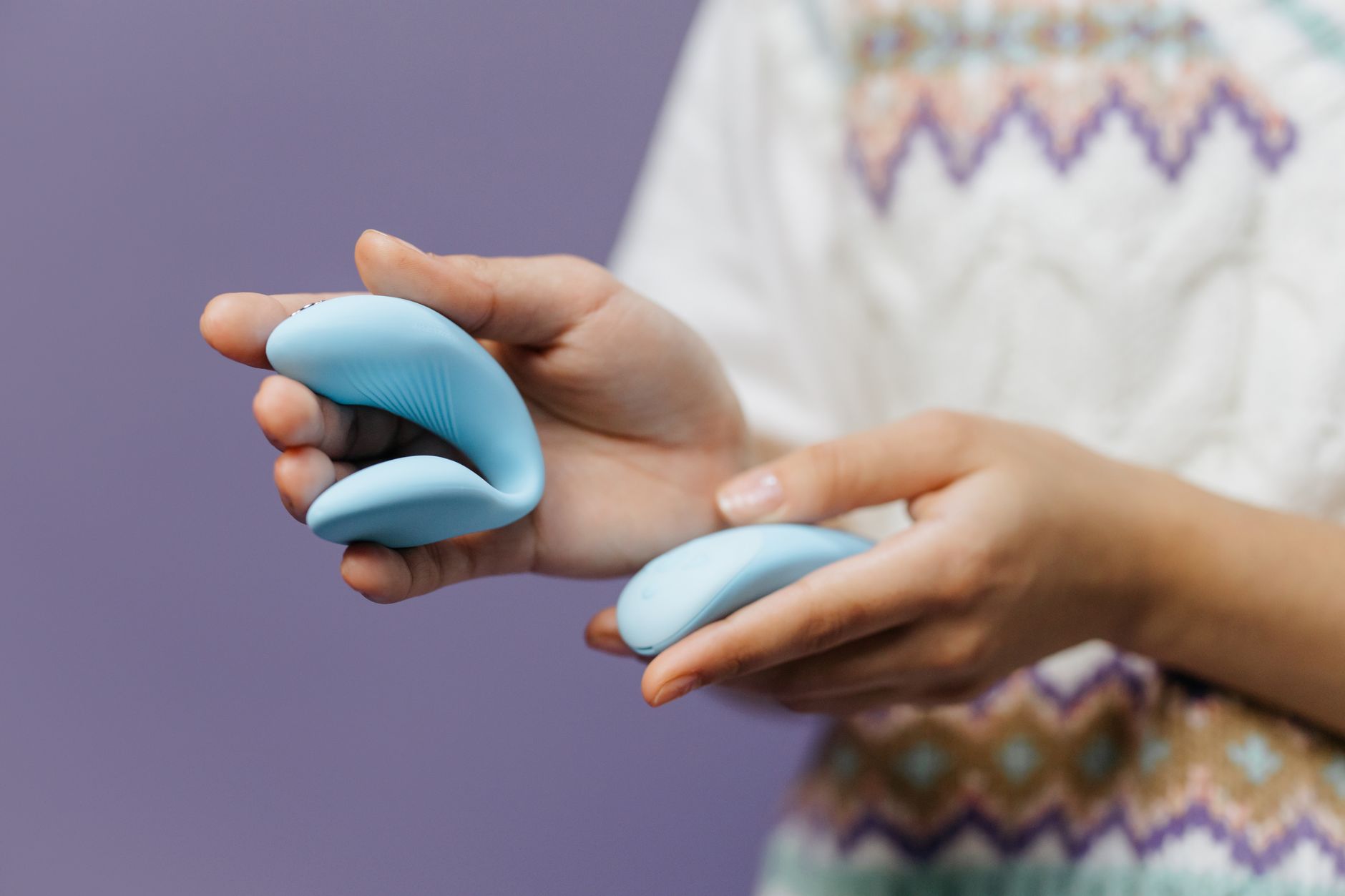
That's where a lemon vibrator changes the game. A clitoral vibrator like the Lem lets you explore sensation, pleasure, and arousal in a way that bypasses the trigger entirely.
Why clitoral vibrators work differently than penetrative devices
Vaginal penetration triggers the pelvic floor tension because that's the reflex pattern your nervous system has learned. A clitoral vibrator works entirely externally. You're stimulating nerve-rich tissue that has zero association with the protective response. It's like switching channels on the nervous system.
The Lem, specifically, uses gentle suction rather than vibration alone. This stimulates the clitoral bulb and surrounding tissue without the intense friction that can create tension even in people without vaginismus. For someone with pelvic floor tension, that gentleness matters. You're building arousal and pleasure through a sensation that feels expansive, not threatening.
Many of my clients with vaginismus report that exploring with a clitoral vibrator is their first experience of arousal without immediately hitting a wall of tension. That's profoundly important. It teaches your nervous system that you can experience desire and pleasure without automatic contraction.
The nervous system piece (why relaxation advice fails)
If you've been told "just relax," you know it doesn't work. You can't relax your way out of a reflex. Vaginismus is stored in your nervous system's threat response. Changing it requires a different approach.
Sensate focus and pleasure-centered exploration help reprogram that response. When you're experiencing genuine pleasure through clitoral stimulation, your nervous system slowly learns that sexual arousal is safe. Not threatened, not requiring protection. Just safe. Over time and with consistency, that shifts the reflex.
A lemon vibrator becomes part of that reprogramming. It's not therapy, but it's therapeutic. You're building a new association between sexual pleasure and safety.
How to use a Lem when you have pelvic floor tension
Start with zero penetration expectations. None. The goal isn't to work toward anything. The goal is pleasure for its own sake.
First session: exploration without the toy. Spend 10-15 minutes learning what feels good on your vulva, away from the vaginal opening. Your inner thighs, your outer labia, the areas around your clitoris. Use your fingers, use a hand mirror if you want to see what you're doing. This is about building a sensate map. No agenda, no rush.
Second session: introduce the Lem at the lowest setting. Use it on your outer labia first, not directly on your clitoral glans. Work your way slowly toward more direct contact. Pay attention to what makes your pelvic floor relax versus tense. Some people find that medium pressure feels safer than light touch. Others need to start impossibly gentle. There's no normal here.
Session three onward: play with patterns. The Lem has multiple suction patterns. Some will feel more pleasurable, some will trigger tension. The point is to find what your nervous system associates with safety and pleasure. That's different for everyone.
Keep sessions short if longer periods trigger fatigue or frustration. Fifteen minutes of genuine pleasure is infinitely better than an hour of performance or pressure.
Pelvic floor work that actually helps
Kegels alone won't fix vaginismus because the problem isn't weak muscles. It's hypertonicity. The muscles are too tight, too guarded. Most pelvic floor PT for vaginismus focuses on learning to relax and lengthen the muscles, not strengthen them.
Here are the practices I recommend alongside pleasure exploration:
Deep breathing into the pelvic floor. Breathe in through your nose for a count of four, then exhale through your mouth for a count of six. As you exhale, imagine your pelvic floor softening, like an elevator descending. Do this daily, 5 minutes minimum. This teaches your body that relaxation is possible.
The down-release. Sit comfortably and consciously contract your pelvic floor for two seconds, then fully release. Spend three seconds noticing the release. Most people with vaginismus are so used to tension they don't recognize relaxation. This trains the awareness.
Warm compress work. Heat increases blood flow and signals safety to your nervous system. Use a warm (not hot) compress on your lower abdomen or vulva for 5-10 minutes before and after pleasure exploration. This calms the tissue.
Avoid Kegels for now. I know that's counterintuitive. But if your pelvic floor is already in a protective contraction pattern, strengthening it reinforces the tension. Wait until a pelvic floor PT specifically clears you for strengthening work.
These practices aren't separate from using a lemon vibrator. They're part of the same conversation with your nervous system. You're teaching it from multiple angles: through breathing, through release awareness, through sensation, through genuine pleasure.
When to bring a partner into this
If you have a partner, there's a delicate balance. Their presence can either help or compound the anxiety.
Start solo. Build your own relationship with pleasure and your pelvic floor response first. Once you have a few sessions under your belt and you understand what helps you relax, you can decide whether you want them present.
If they're in the room, their job is to do nothing. Not watch, not participate, not narrate. Just exist elsewhere in the space while you explore. Many partners want to fix it or be part of the solution. That creates performance pressure. The most helpful thing they can do is make it clear that your pleasure, solo or otherwise, is valuable and separate from their needs.
When you're ready, you might use a lemon clitoral vibrator together as a way to experience pleasure without penetration. But that's a conversation for later. Start with yourself.
The timeline: what actually changes and when
Vaginismus doesn't reverse overnight. Nervous system reprogramming takes time, usually weeks to months depending on the severity and how consistently you're working with it.
You might notice the first shift within 2-3 weeks: maybe your pelvic floor feels slightly less guarded during everyday moments. Or you experience 30 seconds of genuine arousal without immediate tension.
By 6-8 weeks of consistent practice (3-4 times per week with the vibrator, daily breathing work), many of my clients report that arousal feels possible. Not easy yet, but possible. The nervous system is learning.
Full resolution sometimes takes longer and often requires pelvic floor physical therapy, particularly if there's trauma or significant anxiety layered underneath. But pleasure exploration with a tool like the Lem can absolutely be part of that journey.
The key is consistency and patience. Your nervous system learned this protective pattern over time. It will unlearn it over time too.
When to add professional support
A pelvic floor physical therapist trained in vaginismus is invaluable. They can assess muscle tone, teach you release techniques tailored to your body, and track progress in ways you can't alone.
If anxiety, trauma, or relationship dynamics are layered in, working with a sex therapist or trauma-informed therapist helps untangle those threads. Sometimes vaginismus is purely physical. Often it's a combination.
There are also dilator sets designed specifically for vaginismus progression. Those are different from penetrative toys. A PT can guide you on whether to add those and when.
Pleasure exploration with a lemon vibrator is not a replacement for professional care. It's a powerful complement. You're working from multiple angles toward the same goal: helping your nervous system learn that pleasure and safety can coexist.
What happens when you start feeling pleasure without tension
This is the part that often surprises people. When your nervous system genuinely relaxes during sexual pleasure, something shifts. You might cry. You might feel emotional relief you didn't know you needed. Some people describe it as finally being able to breathe.
That's real. You've been in a protective contraction for a long time. Releasing it is profound. Honor that however you need to.
From there, exploration becomes richer. You're not white-knuckling through sessions trying to relax. You're genuinely curious about what feels good. That curiosity, over time, naturally expands into other forms of touch and pleasure if you want it to.
Vaginismus doesn't define your sexuality. It's a protective pattern your body learned. Using a lemon vibrator to explore pleasure outside that pattern is one of the clearest ways to teach your nervous system that safety and desire can exist together.
People also ask
Can you have orgasms with vaginismus?
Absolutely. Clitoral orgasms don't require penetration. Many people with vaginismus discover their most satisfying orgasms using a clitoral vibrator like the Lem because there's zero performance pressure or anxiety about pain. You're exploring sensation purely for pleasure.
Does using a vibrator make vaginismus worse?
Not if you're using it thoughtfully. A clitoral vibrator that feels safe and pleasurable actually helps reprogram your nervous system's association with arousal. What matters is that you're using a tool that doesn't trigger the protective response. If a particular vibrator or sensation pattern makes your pelvic floor tense up, you stop using that and try something gentler.
How do I know if it's vaginismus or just low lubrication?
With vaginismus, penetration feels painful or impossible due to muscle tension, even with lubrication. You might feel a tightness or burning sensation. With low lubrication alone, adding lube often solves the problem. If you've tried multiple types of lubricant and penetration still feels painful or impossible, or if your pelvic floor involuntarily tightens, that's more consistent with vaginismus. A pelvic floor PT or gynecologist can assess this definitively.
Can vaginismus be cured?
Yes. It's highly treatable, especially when you combine nervous system reprogramming (like pleasure exploration), pelvic floor physical therapy, and sometimes therapy for underlying anxiety or trauma. Recovery looks different for everyone, but most people with vaginismus who work with it consistently see significant improvement within months.
Should I try penetration if my pelvic floor is still tense?
No. Attempting penetration when your pelvic floor is in protective contraction reinforces the pattern. Your nervous system learns that penetration equals pain equals protection needed. The whole goal right now is to break that association. Clitoral pleasure with a vibrator actually supports that by showing your nervous system that arousal doesn't have to lead to pain.
Is it normal to feel emotional during or after using a vibrator with vaginismus?
Completely normal. For many people, experiencing genuine pleasure without pain or tension is emotionally significant. You might feel relief, grief, joy, or even anger about time lost to the tension. All of that is healthy. Let yourself feel it.
If you're dealing with vaginismus, you're not broken. Your nervous system is doing exactly what it was designed to do, protecting you. The work is gentle reprogramming, not forcing relaxation or powering through pain. A lemon vibrator becomes part of that conversation, a tool that lets you experience pleasure safely while your pelvic floor learns it can let go.
Ready to explore? Contact us if you have questions about getting started, or check out how to choose a lemon vibrator when you've never used one before. You deserve pleasure that feels good, not painful.