
Let's talk about the invisible side effect nobody warns you about
You started a new medication. Your health improved. And then pleasure just... flatlined. Not completely gone, but muted. Like someone turned down the volume on sensation. If you've been sitting with this for weeks, wondering if it's permanent, wondering if you should just accept this as the trade off, I want to tell you something: this is one of the most common medication side effects nobody discusses, and it's also one of the most fixable.
The dulling of sensation or orgasm difficulty that comes with SSRIs, certain blood pressure medications, and some antihistamines is real. It's not in your head. And it doesn't mean your body is broken or that pleasure is off the table.
Why medication changes sensation in the first place
Different medications work through different systems, but they all hit pleasure through one of three pathways. SSRIs and SNRIs (like sertraline, venlafaxine) increase serotonin, which is great for mood but can blunt the dopamine rush that fuels arousal and orgasm. Beta-blockers and ACE inhibitors for blood pressure reduce the physical tension in blood vessels that triggers arousal and climax. Some antihistamines and antipsychotics literally slow down nerve firing, including the nerves that register sensation.
The result: longer warm-up times, higher thresholds for stimulation, delayed or softer orgasms, or sometimes no orgasm at all.
Here's what doesn't happen. Your clitoris didn't lose nerve endings. Your capacity for pleasure didn't evaporate. The pathways are still there. They just need a different kind of input to light up.
Why the Lemon works when sensation feels dampened
This is where a lemon clitoral vibrator becomes genuinely clever. Unlike a wand vibrator that relies on repetitive tapping, a lemon vibrator uses air-suction technology. It doesn't vibrate against tissue. It creates a gentle suction rhythm that stimulates multiple nerve clusters at once, mimicking a sensation pattern that bypasses the dulled pathways and activates deeper nerve response.
That matters because when medication dampens surface sensation, your deeper nerve structures often stay responsive. Air-suction technology engages those layers in a way traditional vibration sometimes can't. People on SSRIs or blood pressure medications frequently report that suction feels like a completely different experience than what their body was doing before the medication.
It's not a workaround. It's recalibration.
The practical reset: three things to change immediately
1. Extend your timeline by 30 to 50 percent. If you had a 10-minute warm-up before medication, you might need 15 to 20 minutes now. This isn't laziness or brokenness. This is your nervous system operating under different chemistry. Build that time into your schedule. Remove the pressure to rush. Set a timer if you need permission to spend that long on yourself.
2. Start on the lowest setting. The impulse is to crank up intensity to compensate for numbness. Don't. Instead, start at pattern 1 or 2 on your Lemon and spend 3 to 5 minutes there. Let your body calibrate to the sensation. Then move up. This teaches your nervous system to recognize pleasure signals it's been missing.
3. Use lubrication even if your body is naturally lubricated. Medication can change how lubrication feels. Adding a water-based lube helps the suction create better contact, which means more consistent stimulation. It also reduces friction that can feel jarring when sensation is already disrupted.
The psychological piece that changes everything
Most people in this situation carry a load of frustration. You had an orgasm pattern that worked. Now it doesn't. The temptation is to chase the old experience, get frustrated when it doesn't land, and then stop trying.
Don't do that to yourself. Instead, reframe this as learning a new language. Your body hasn't failed you. It's speaking differently now.
This is where I see people make a real breakthrough. When you stop fighting the medication's effect and start exploring what does feel good within that effect, pleasure often comes back. Different shape, maybe. Softer, maybe. But often more interesting because you're not operating on autopilot.
If you have a partner, this is worth a separate conversation. "I'm adjusting to how my body feels on this medication and exploring what works" is different than "something is wrong with me." One opens a door to play together. The other creates pressure and shame.
When to talk to your prescriber
First. If the medication side effect is severe and affecting your quality of life, your doctor needs to know. Not to shame you, but because alternatives exist. Some people respond better to a different SSRI, a different class of antidepressant, or a lower dose. Switching dosing time (taking it at night instead of morning) sometimes helps. Your prescriber isn't going to tell you to just live with it unless they don't know it's happening.
Second. If sensation loss appeared suddenly and isn't matching your medication timeline, that's worth mentioning separately. Sometimes sensation dulling is medication. Sometimes it's something else that just happened to coincide.
What to do with your Lemon in the meantime
Start with solo exploration. This is crucial because your body needs permission to relearn pleasure without the pressure of performing or tracking progress for a partner. Use your Lemon in a space where you have at least 30 minutes uninterrupted. No performance goal. No orgasm target. Just sensation mapping.
Start low. Spend time there. Notice what your body is responding to. Some people discover that they prefer shorter bursts of suction rather than sustained patterns. Others find that using their Lemon externally, away from the clitoris, then slowly bringing it closer works better. There's no "right" way. There's only what your specific nervous system responds to.
This exploration often takes 2 to 4 weeks of regular practice before the body starts remembering what arousal feels like. That's normal. You're not broken. You're recalibrating.
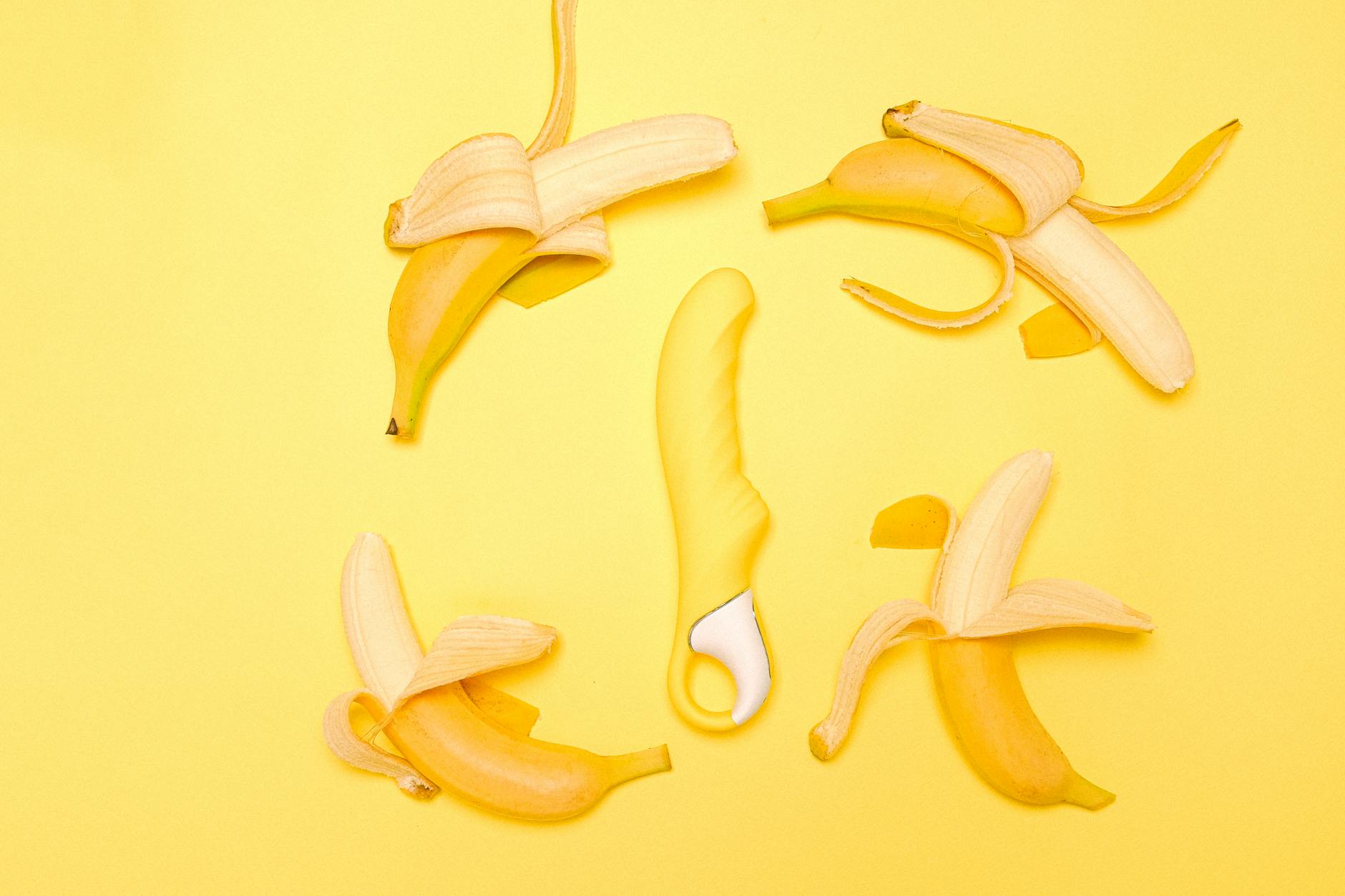
Photo by cottonbro studio on Pexels
The timeline people actually experience
Week 1 to 2. You use your Lemon, sensation feels muted but maybe slightly different than your old experience. No pressure.
Week 2 to 3. Your body starts recognizing the suction pattern. Sensation feels a bit more present. Some people have the first orgasm of the post-medication era around now.
Week 3 to 6. Pleasure returns more consistently, though often with a different intensity or curve than before the medication. You've built a new baseline.
Month 2 plus. Sex and masturbation become enjoyable again. The frustration lifts because you've proven to yourself that pleasure is still accessible, just on different terms.
This timeline isn't guaranteed for everyone. Some people need longer. Some people find they want to talk to their prescriber about dose adjustment or switching. All of that is fine. The point is that medication dulling sensation is not a life sentence.
The part most people skip but really matters
If you're in a relationship, this phase is an opportunity to rebuild intimacy around curiosity instead of performance. "Want to explore what my body is responding to right now?" lands totally differently than "I don't feel anything anymore." One is an invitation. One is a problem statement.
You can learn more about using a lemon clitoral vibrator when anxiety interferes with arousal to understand how mental state shapes sensation even beyond medication effects. That piece is often overlooked and can be the difference between recalibrating successfully or staying stuck.
Summing up: you're not broken, you just need a different tool
Medication side effects that change sensation are frustrating. They're also temporary setbacks, not permanent states. Your body knows how to feel pleasure. You just need to speak its new language for a while. A lemon clitoral vibrator, patience, and removing the performance pressure can get you back there in weeks, not months.
The version of pleasure waiting for you on the other side of this adjustment is often richer because you've learned to listen to your body in a totally different way.
People also ask
How long does it take for sensation to return after starting medication?
Most people notice the dulling of sensation within the first two weeks of starting an SSRI or blood pressure medication. Recovery timeline depends on whether your body adjusts naturally, whether you switch medications, or whether you develop new patterns of stimulation. With consistent exploration using tools like a lemon vibrator, many people report noticeable improvement within 4 to 6 weeks. If sensation hasn't improved at all after 8 weeks, it's worth mentioning to your prescriber.
Can I use a lemon sucker if I'm on multiple medications?
Yes. In fact, people on multiple medications sometimes find that combining them creates more sensation dampening, which is why air-suction technology becomes even more valuable. The suction pattern can bypass some of the dampening that happens with medication combinations. Start slow and pay attention to what feels good. If one medication is creating most of the dulling effect, your prescriber might be able to adjust that specific one.
Does switching to a different lemon clitoral vibrator pattern help with medication-related numbness?
Absolutely. Most lemon vibrators offer multiple suction intensities and patterns. When sensation is dampened by medication, switching patterns frequently helps more than cranking up intensity. Try pattern 1 for a week, then pattern 2 the next week. Your body might respond dramatically differently to different rhythms than it did before medication. This experimentation is part of your recalibration.
Should I tell my doctor I'm using a vibrator to manage medication side effects?
Yes, if you feel comfortable. Your doctor doesn't need details, but saying "I'm using sensation tools to help my body adjust" gives context for your medication experience. Some prescribers will actually suggest lemon vibrators specifically because they work differently than traditional vibrators. At minimum, mention that you're working on the sensation dulling with exploration rather than asking to switch medications immediately.
Is medication-related numbness different from other types of sexual numbness?
Sometimes. Medication dampens sensation across the board, not just sexual sensation. You might notice you don't feel temperature as sharply or taste is less vivid. Other types of numbness, like from anxiety or past trauma, often create mental blocks rather than nerve-level dampening. How to use a lemon vibrator when anxiety interferes with arousal addresses that specific pattern. If you're unsure which you're experiencing, talk to your prescriber or a therapist.
Can lubrication make a real difference when medication dulls sensation?
Yes. Medication changes how your body's natural lubrication feels and functions. Adding water-based lubrication helps the suction create better contact with tissue, which means more consistent nerve activation. This can make the difference between feeling nothing and feeling something. It's not a workaround. It's good technique when your body chemistry has shifted.
Ready to explore what works for your body?
If medication has changed your sensation and you're ready to recalibrate with tools designed for this specific challenge, start with patience and permission. Your body knows how to feel pleasure. It just needs a different conversation right now.
Questions about how to use lemon vibrators or exploring pleasure after medication changes? Get in touch with Hello Nancy's Lemon. We're here to help.