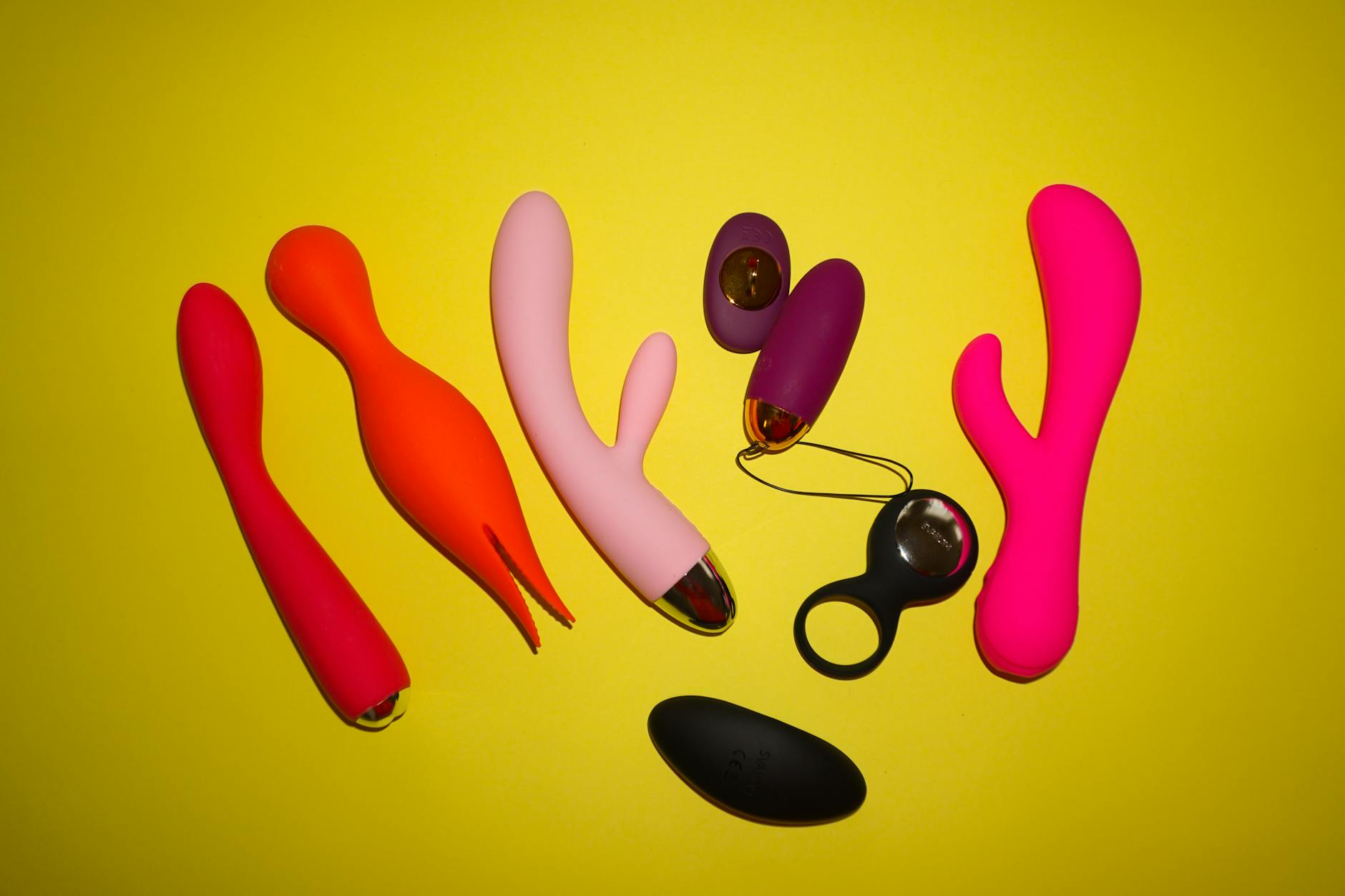
How to Use a Lemon Vibrator When Pleasure Returns After Depression
Let's be real. When depression lifts, it doesn't feel like a light switch. Pleasure trickles back in slowly, and your body might feel like someone else's for a while. That first spark of desire after months or years of numbness can feel strange, fragile, even a little unwelcome. You're supposed to be happy about it. But your body is cautious. And that's completely normal.
If you're thinking about reconnecting with pleasure using a clitoral vibrator like the Lem, you're already doing something brave. This guide walks you through it without pressure, without expectations, and without rushing.
What depression actually does to arousal and sensation
Depression doesn't just affect your mood. It hijacks the neural pathways that light up during pleasure. Dopamine, serotonin, the entire reward system. Your brain literally forgets how to feel good, and your body follows suit. Some people on antidepressants experience sexual side effects that layer on top of this. Others don't. Either way, the body you had before depression isn't the one you're living in now.
This matters because it means you're not broken, and desire didn't disappear because something was wrong with you or your relationship. It disappeared because your brain was protecting you by numbing everything. Pleasure is a luxury the depressed brain thinks it can't afford. That's a feature of depression, not a character flaw.
When pleasure starts returning, it's often tentative. You might feel it for two minutes and then lose it. You might feel nothing and then suddenly feel everything. Your body is recalibrating. Trust that process, even when it feels unpredictable.
Why a lemon clitoral vibrator works well for this transition
A tool like the Lem vibrator is useful here for a specific reason. It's direct, predictable, and non-judgmental. You're not relying on a partner to match your pace or read your body. You're not waiting for arousal to build the "normal" way, which can feel unreliable when you're just starting to feel again.
Clitoral vibrators work by delivering consistent stimulation to one of the most sensation-rich areas of the body. Your clitoris has over 8,000 nerve endings. After depression, some of those endings might feel muted. A gentle vibrator wakes them up gradually, without forcing anything. The Lem's air-suction design is particularly forgiving because it distributes pressure evenly. You're not trying to muscle your way back to pleasure. You're letting the tool meet your body where it actually is.
Starting slowly when sensation feels unpredictable
The biggest mistake people make after depression is trying to pick up where they left off. Jumping to patterns 5 or 6 on a vibrator, assuming they need intensity to feel anything. That usually backfires. You end up frustrated, convinced you're still broken, and then you don't try again for months.
Instead, begin at pattern 1. Yes, really. Pattern 1 feels almost nothing at first. That's intentional. You're training your nervous system to notice small sensations again, not to chase a climax that may or may not happen. Spend 3-5 minutes just noticing what pattern 1 feels like. Is it pleasant? Neutral? Uncomfortable? All of those answers are useful data. There's no target sensation you're supposed to reach.
Move to pattern 2 only when pattern 1 stops being interesting. Again, 3-5 minutes. You're not timing an orgasm. You're reconnecting. Some days you'll stay at pattern 2 for a week. Some days you might not feel anything and that's fine. You're still rewiring the connection between your body and pleasure.
The role of expectation and mental space
Here's the hard part nobody talks about. You can have the right vibrator, the right technique, but if your brain is still convinced you should feel guilty about pleasure, it won't work. Depression often carries shame with it. And when pleasure starts coming back, some people unconsciously resist it because they learned that pleasure is dangerous or selfish or undeserved.
Before you use the Lem, check in with yourself. Not your body. Your mind. Are you alone? Do you have at least 20 minutes where you won't be interrupted? Can you put your phone away? Most importantly: do you actually want to do this right now, or are you doing it because you think you should.
That last one matters. Depression recovery isn't linear. Some weeks you'll feel curious about pleasure. Some weeks you won't. The fact that you're interested right now is enough. You don't need to convince yourself to want this. Either you do or you don't. And if you don't, that's not failure. That's honesty.
When to use lubrication and why it matters
After depression, your body's natural lubrication might be slower to show up. This isn't sexual dysfunction. It's a side effect of being disconnected from your body. Some antidepressants also suppress lubrication. Knowing this matters because you might try a vibrator, feel nothing, assume you can't feel anything, and give up.
Use a water-based lubricant. Not because you need to. But because it removes one variable. A small amount on and around the clitoris before you start. The Lem works beautifully with lube. It doesn't damage the silicone. And it means you're not fighting dryness while you're trying to rebuild sensation.
Lubrication is not a sign something is wrong. It's support.
Building a ritual around reconnection
One of the things depression takes is your sense of self-care. Pleasure becomes another chore, another way to fail. Rebuilding it requires creating a different frame. Not pressure. Ritual.
Maybe you light a candle before you use the Lem. Maybe you have a particular time of day when your energy is highest. Maybe you use it after a shower when your body feels clean and yours. The specific ritual doesn't matter. What matters is that you're signaling to yourself: this is time for me. This is not an obligation. This is permission.
If nothing happens the first five times you try, the ritual still worked. You showed up for yourself. Your body is slowly learning that pleasure is safe again.
When to involve a partner (and when to wait)
If you have a partner, the instinct might be to loop them in immediately. Most of the time, wait. Not forever. But wait until pleasure feels reliable enough to you that you can explain it to someone else. Right now, you're still in the rebuilding phase. The presence of another person adds complexity. It adds the pressure to perform, to reciprocate, to make sure they're enjoying themselves. That's the exact opposite of what your body needs.
Once you've spent a few weeks getting comfortable with the Lem on your own, and you're noticing arousal more regularly, that's when a conversation with a partner becomes possible. You can tell them what you're doing, why, and what you need from them right now. Which is usually just permission. And patience.
What to expect emotionally, not just physically
When pleasure starts coming back after depression, the emotions can surprise you. Some people feel grief. Grief for the time depression took. For the pleasure they missed. For the gap between the person they were and the person they are now. That's real, and it matters, and it can show up in the middle of using a vibrator.
Other people feel relief. Almost joy. A sense of recognition: oh, I can feel like this again. Some people feel both, sometimes in the same session. The point is to expect that using a clitoral vibrator might trigger emotions that have nothing to do with the vibrator itself. That's not a problem. That's integration. Your body is processing the journey back.
When to seek additional support
If pleasure isn't returning at all after several weeks of trying, or if the experience of using a vibrator consistently triggers panic or dissociation, talk to your therapist. Some antidepressants have stronger sexual side effects than others. Your doctor might adjust your medication or recommend a different approach altogether. There's no shame in that. Sexual recovery after depression is sometimes a conversation between you, your therapist, and your physician.
The Lem is a tool. A good one. But it's not a replacement for professional support if you need it.
Key takeaways for using a lemon vibrator after depression
Start at pattern 1 and stay there for as long as it takes. Lubrication is support, not a sign something is wrong. Create a ritual around the experience so your body knows this is safe. Expect emotions to show up alongside sensation. Wait until pleasure feels reliable before adding a partner. And remember: you're not trying to get back to where you were. You're learning to feel good in a body that's been through something hard. That's not a race. That's recovery.
People Also Ask
How long does it take to feel pleasure again after depression?
There's no standard timeline. For some people, sensation starts returning within weeks of starting treatment. For others, it takes months or longer, especially if you're on medication that affects sexual response. The key is consistency without pressure. Using a clitoral vibrator once every few weeks won't rebuild sensation. Weekly exploration, even if nothing happens, is more valuable than sporadic attempts. Your nervous system needs repetition to remember that pleasure is safe.
Can depression medication make it harder to use a vibrator?
Yes. SSRIs and some other antidepressants can reduce lubrication, delay orgasm, or dampen overall sensation. If you suspect your medication is the barrier, talk to your prescriber. They might adjust the dose, suggest taking it at a different time of day, or recommend a medication with fewer sexual side effects. Many people find that the benefits of being on the right medication far outweigh the sexual adjustments, but it's worth having the conversation rather than assuming your body is permanently changed.
Is it normal to feel nothing the first time using a lemon vibrator after depression?
Completely normal. Your nervous system is learning to receive sensation again. Numbness doesn't go away instantly. Start at the lowest pattern, expect nothing, and notice whatever shows up without judgment. Tingling, warmth, pleasure, nothing at all. All of it is data. The goal isn't an orgasm. It's reconnection. Some people need five sessions at pattern 1 before pattern 2 becomes interesting. That's exactly how it should work.
Should I tell my partner I'm using a vibrator if I'm recovering from depression?
Eventually, yes. But timing matters. Give yourself time to rebuild your own comfort with pleasure first. Once you feel solid in your own body, telling a partner becomes easier because you're not asking them to fix you. You're sharing something you've rebuilt. The conversation might sound like: "I'm working on reconnecting with pleasure, and it's helping me feel more like myself. This is just for me right now, but I wanted you to know.\