How to Use a Lemon Vibrator When Perimenopause Affects Your Sensation
Here's the thing nobody tells you: perimenopause doesn't kill pleasure, but it does rewire how your body talks to you about it.
For five to ten years before your period stops completely, your estrogen and progesterone levels ping-pong wildly. Some days you're hypersensitive. Other days your clitoris feels like it's behind three layers of drywall. Your arousal might spike one week and flatline the next. A device that felt incredible last month suddenly feels too strong, too buzzy, too much.
This is maddening. It's also completely normal. And the good news: a lemon clitoral vibrator is weirdly well-designed for exactly this kind of body chaos.
Why perimenopause changes clitoral sensitivity
Your clitoris is an estrogen-responsive organ. When estrogen swings, sensitivity swings with it. During the follicular phase of your cycle (if you still have one), estrogen climbs and your clitoris tends to swell slightly, becoming more reactive. During the luteal phase, estrogen drops and your clitoris may retract, feel less engorged, respond more slowly to stimulation.
In perimenopause, these swings get more erratic. Estrogen might spike, then crash, then spike again over the course of a single week. Your nervous system stays in a perpetual "what's happening now?" state.
The result: traditional vibrators with a single fixed pattern start to feel wrong on rotating basis. Too intense when estrogen dips. Not quite right when it peaks. A device that adjusts to your real-time sensitivity without you having to think about it becomes invaluable.
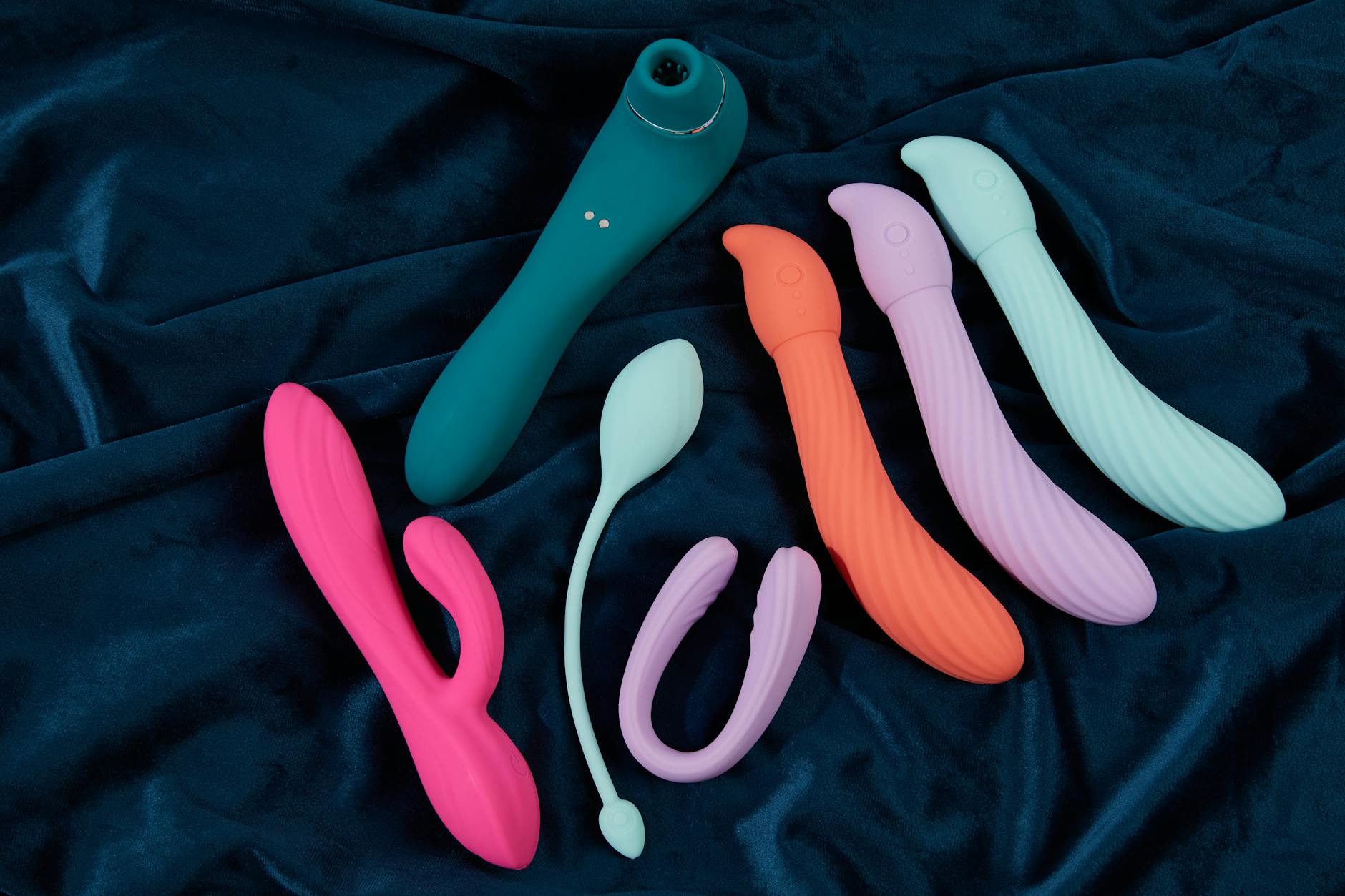
Photo by IFONNX Toys on Pexels
How a lemon vibrator's suction mechanism adapts to shifting sensation
Traditional vibrators buzz at your clitoris. A lemon vibrator works via pulsing suction. That distinction matters in perimenopause.
With suction-based clitoral vibrators, you're not relying on direct vibrational buzz to create sensation. Instead, the lemon's suction patterns stimulate nerve clusters without the same mechanical pressure. This means:
When your clitoris feels hypersensitive (which it will, some weeks), you can use the lower suction patterns on Hello Nancy's Lem vibrator and get adequate stimulation without the overwhelming buzz. The sensation feels more like a gentle pull than a jackhammer.
When your clitoris feels numb or withdrawn (which it will, other weeks), the higher suction patterns create enough sensation intensity to cut through the fog without feeling abrasive. Suction stimulates differently than vibration, so even on lower settings, you're often getting more effective nerve engagement.
In short, the same device works across a wider sensitivity range than a traditional vibrator would. You're not shopping for a new toy every time your hormones shift.
Timing your use around your cycle, even if it's irregular
If you're still menstruating in perimenopause, you likely notice that your cycle is getting weird. Twenty-three days one month, forty days the next. Unpredictable. This makes planning pleasure harder, but it also gives you real data.
Start tracking when you feel most responsive. Not just when you menstruate, but when you notice your clitoris feels plump, reactive, eager for touch. Mark those days.
On those high-sensitivity days, use the Lem on patterns one through three. Let your body lead. You might finish faster than usual, and that's okay. You're riding the wave of what your hormones are offering that week.
On the days when your clitoris feels withdrawn or numb, budget more time and lean into higher patterns (usually five through seven on most Hello Nancy lemon adult toys). Start with external stimulation only. Warm up longer than you think you need to. Give your nervous system permission to take its time.
This isn't tedious tracking. It's tuning. The more you notice your own patterns, the less surprised you'll be by your body's inconsistency.
Layering sensation when arousal takes longer to build
In perimenopause, foreplay stops being optional. It becomes essential infrastructure.
One thing I recommend to clients navigating this phase: don't jump straight to the Lem. Instead, layer stimulation. Start with touch from a partner (or your own hands) on your thighs, breasts, anywhere but your clitoris. Spend five to ten minutes there. Then move to your labia, still external, still not directly clitoral.
When you finally reach your clitoris with the lemon vibrator, your body has had time to warm up. You're not asking a half-asleep system to suddenly perform. You've given it a runway.
If you're using a lemon clitoral vibrator solo, the same rule applies. Spend time touching yourself first. Notice where you want sensation. Let arousal build gradually. Then bring in the Lem when you feel genuinely ready, not just when you think you should.
Managing pain or discomfort that may show up
Here's something perimenopause doesn't always advertise: some people experience vulvar or vaginal pain during this phase, independent of lubrication issues. This can include clitoral discomfort, vestibular sensitivity, or a general rawness that wasn't there before.
If you experience pain when using any lemon vibrator, stop immediately. Pain is information. It usually means one of three things:
You need more lubrication than you realize. Use a generous amount of water-based lubricant, even if your body is producing its own moisture.
You're using too much pressure or intensity. Dial back the suction pattern and try again.
There's an underlying condition worth discussing with your doctor. Perimenopause can unmask sensitivities or conditions that weren't previously noticeable. If pain persists, get checked out. Genitourinary syndrome of menopause is treatable, and your pleasure shouldn't come with a side of injury.
How long to use a lemon sucker and when to take a break
One question I hear a lot: "My Lem feels amazing for the first ten minutes, then my clitoris goes numb. What's wrong?"
Nothing's wrong. You're experiencing sensory adaptation, which is normal. Your nerve endings have processed the stimulus and stopped sending novelty signals to your brain. It feels like numbness, but it's actually your nervous system doing exactly what it's supposed to do.
Instead of fighting this, work with it. Use your lemon vibrator for ten to fifteen minutes max. If you haven't reached orgasm by then, take a break. Spend five minutes with your hands only, letting sensation reset. Then come back to the device if you want to.
Many people in perimenopause find that multiple shorter sessions feel better than one long push. You get more intense sensation across multiple sessions than you would grinding away at one extended session.
When to consider professional support
If your clitoral sensation has completely disappeared or if pleasure has become painful despite trying these adjustments, it's worth talking to a healthcare provider who understands perimenopause. Some people benefit from short-term topical hormone therapy or other interventions that can shift sensation back to a more workable baseline.
You don't have to white-knuckle your way through this phase solo. Your pleasure matters, and that includes getting support when you need it.
The bigger picture: perimenopause is temporary
I want to be clear: perimenopause is a phase, not a permanent condition. Typically, this lasts five to ten years. Then you reach menopause, and your hormone levels stabilize at a new baseline. Many people report that their sensation becomes consistent and reliable again after postmenopause begins.
This doesn't mean your pleasure gets worse after forty. It means your pleasure gets more unpredictable for a while, and then it settles. For some people, it settles into something richer and more satisfying than what came before.
In the meantime, a tool like Hello Nancy's Lem vibrator lets you adapt to your shifting body without constantly buying new devices or feeling like you're broken. You're not. You're in a transition, and you can have good sex in a transition.
People also ask
Can you use a lemon clitoral vibrator every day during perimenopause?
Yes, but pay attention to your body. Some days your clitoris will beg for stimulation. Other days it'll feel raw or overstimulated. Let sensation guide you, not a schedule. If you use your Lem daily and start noticing numbness or pain, dial back to three to four times per week.
Does a lemon vibrator feel different during your period in perimenopause?
Often yes. Your clitoris tends to be more swollen and sensitive during menstruation due to increased blood flow, so even settings you normally tolerate might feel too intense. You might prefer the lower patterns on your Lem during your period, or you might skip vibration entirely and stick to manual touch. Trust what feels good that day.
Why does my lemon vibrator work great some days and feel overwhelming other days?
Hormone fluctuations are changing your clitoral sensitivity week to week, sometimes day to day. This is completely normal in perimenopause. Instead of fighting it, adjust your device settings to match your current sensitivity. Lower patterns when you're hypersensitive, higher patterns when you're numb. The same tool works; the settings just change.
Should you use lubricant with a lemon sucker during perimenopause?
Yes, especially in perimenopause. Even if your body is producing natural lubrication, adding a water-based lube reduces friction and makes suction-based stimulation feel smoother and more comfortable. It also protects sensitive tissue that may be more reactive during hormonal fluctuations.
How does a lemon clitoral vibrator compare to traditional vibrators for perimenopause sensitivity shifts?
Lemon vibrators use suction rather than direct vibration, which means they create sensation over a wider sensitivity range. When your clitoris feels numb, suction still works. When you're hypersensitive, lower suction settings are often gentler than vibration settings would be. Many people find this flexibility valuable during perimenopause, where sensitivity is unpredictable.
Is it normal to need a stronger vibrator as you go through perimenopause?
Yes and no. Some people do find they need stronger sensation as hormones fluctuate, but this is usually temporary. As your hormones stabilize (post-menopause), your sensitivity often returns to a baseline where you don't need maximum intensity all the time. If you feel like you're constantly chasing stronger sensation, it might be worth talking to a doctor about whether there are underlying changes worth addressing.
Your clitoris is an intelligent system. It's adapting to massive hormonal shifts right now. That adaptation is going to feel awkward for a while. But it doesn't mean you stop having pleasure. It means you get curious about what works now, and you let your body tell you what it needs. A lemon clitoral vibrator is a good tool for that conversation. Listen to what it tells you, and listen to what your body tells you back.