The honest truth about dryness during sex
Let's be real. You're ready for pleasure, you're in the mood, and then friction happens. Not the good kind. The kind that makes you clench, pull away, or pretend it feels fine when it absolutely doesn't. Dryness during sex isn't rare. It's not a sign something's wrong with you. But it is a sign that what you're doing isn't matching what your body needs right now.
There are three separate problems that feel like one problem. Separating them is the only way to fix any of them.
Why lubrication actually matters more than you think
Here's what dryness really is: friction without glide. Your clitoris has thin, sensitive tissue that needs either natural lubrication or added lubrication to feel pleasure without pain. When that's missing, two things happen. First, nerve endings get irritated instead of stimulated. Second, your brain registers discomfort and pulls back, which makes arousal even harder to build.
Most people assume dryness means "not turned on enough." Sometimes that's true. But stress, medications, hormones, age, dehydration, and distraction all tank lubrication independently of desire. You can be wildly attracted to your partner and still have zero natural lubrication. You can be aroused and dry. These are separate systems.
The other thing nobody mentions: if you've been told to "just use more foreplay," that advice assumes foreplay produces lubrication. It doesn't always. And waiting around hoping your body will cooperate while you're already uncomfortable is a recipe for resentment, not pleasure.
The three types of dryness and what actually works
Type 1: Situational dryness (stress, medication, hydration)
You're aroused. You want this. But your body's lubrication factory isn't running today. This is the easiest to fix. Water. Seriously. If you're dehydrated, your whole body runs dry. Drink a full glass of water an hour before sex. It sounds boring but it works. Also check medications if you're on anything new. Antihistamines, antidepressants, and blood pressure meds are notorious dryness culprits. If that's you, add external lubrication to the equation.
Type 2: Arousal dryness (genuinely low desire or distraction)
This one requires honesty. Are you present? Is your nervous system actually in pleasure mode, or are you performing? Sometimes dryness is your body's way of saying "I'm not actually into this right now." That's useful information. It means the solution isn't lubrication. It's stopping, checking in, and maybe trying again when the conditions are actually right.
If you're regularly experiencing this with a partner, that's a conversation worth having. Not in the moment. Later, when you're both calm. Something's shifted. Maybe desire has dipped. Maybe connection has. Maybe the rhythm of your lives has changed. Lube won't fix that. Honesty will.
Type 3: Chronic dryness (menopause, hormonal changes, underlying health)
If dryness is consistent across different situations and partners, check with a doctor. Genitourinary syndrome of menopause (GSM), thyroid issues, and hormonal imbalances all cause persistent dryness. A GP can run tests and offer solutions from topical estrogen to hormone therapy. Once you've ruled out medical causes, external lubrication becomes a real strategy, not a bandage.
Why a lemon clitoral vibrator changes the game
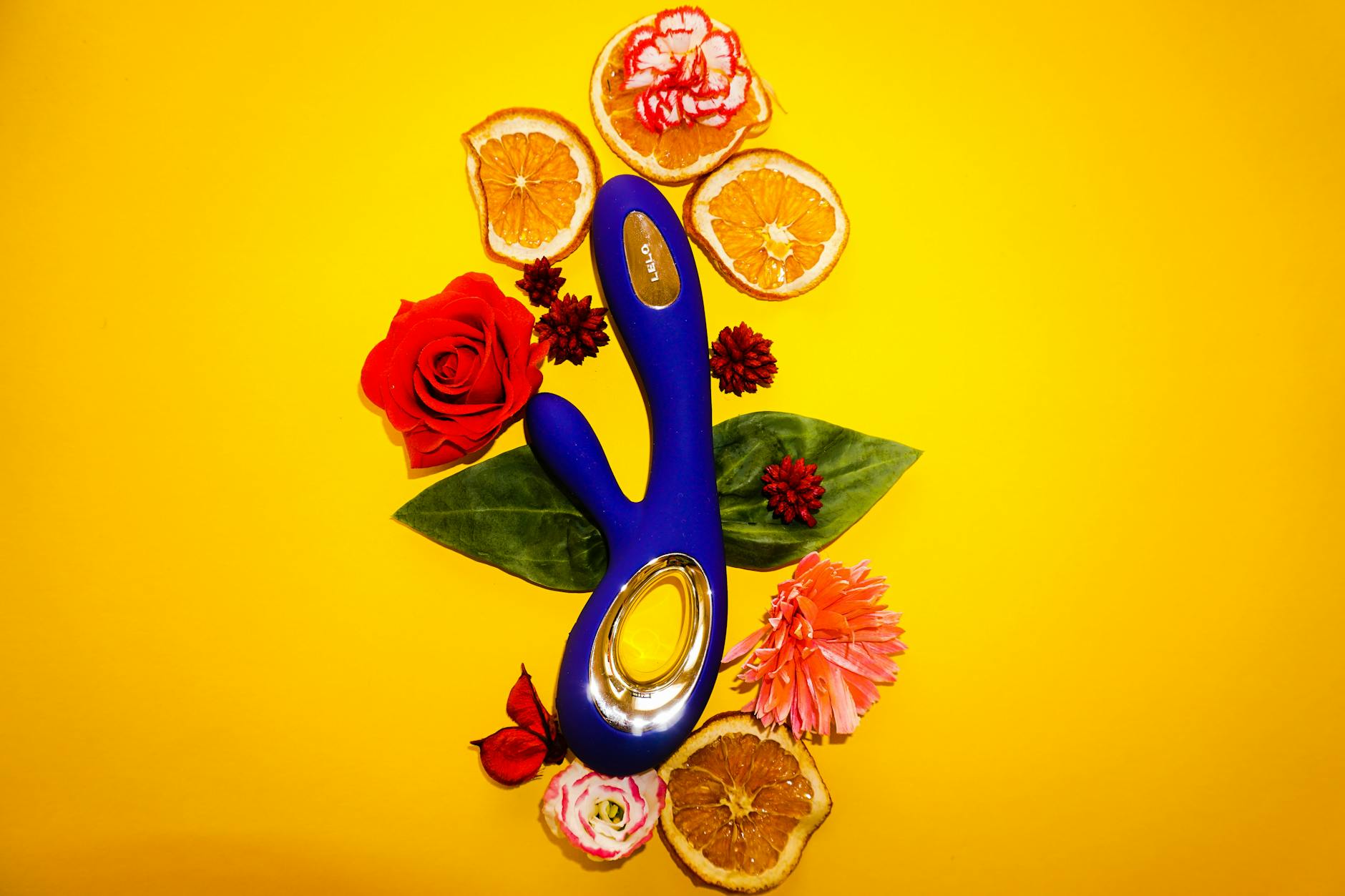
Here's where a lemon vibrator becomes genuinely useful. The Lem uses suction and gentle pulsing instead of direct vibration. That matters hugely for dry tissue. When friction is painful, direct vibration can make it worse. Suction creates a seal around the clitoris and stimulates through pressure and rhythm, not friction. This means you need less lubrication to feel amazing, and the sensation is different. Many people find that suction-based stimulation feels better on dry days than traditional vibrators.
The lemon sexual toys like the Lem are designed for external clitoral pleasure, so there's zero penetration and zero pressure on sensitive tissue. That's the difference between pleasure and pain when dryness is an issue.
How to use a lemon vibrator when lubrication is low
Before you start: set yourself up for success
First, hydrate. Drink water. Not during sex, before it. Give yourself an hour.
Second, add external lubrication. Water-based is safest with silicone toys. Use enough that it feels slick, not dry. "Enough" is subjective. Start with a dime-sized amount and add more if you need it. There's no rule against reapplying mid-session.
Third, warm up longer. Arousal takes time. Budget 15 to 20 minutes of foreplay, whatever that means to you. Touch, kissing, fantasy, or solo stroking. The longer your nervous system is in pleasure mode, the more natural lubrication your body produces.
During the session: technique and pacing
Start with the Lem on the lowest setting. If you have a lemon clitoral vibrator with pattern options, begin with the gentlest pattern. You're not building toward intensity. You're building sensation carefully on tissue that's already sensitive.
Position the Lem so the opening sits fully over your clitoris. This is where suction does its job. You'll feel a gentle seal and pulsing sensation. The pressure and rhythm combine to stimulate nerves without the friction that dries things out.
If it still feels dry, pause. Add more lubricant. This isn't a failure. This is you taking care of yourself. The goal is pleasure, not pushing through discomfort.
Take your time. Let sensation build. You might feel an orgasm approaching, or you might find that you're just enjoying the sensation without chasing a finish. Both are fine.
Photo by FounderTips . on Pexels
With a partner: communication is nonnegotiable
If you're using a lemon vibrator with someone else, talk first. "I want to use a vibrator because lubrication's been an issue, and this helps me feel good without discomfort." That's it. No apology. No explanation of what's wrong with you. You're solving a problem.
Your partner can watch, touch you elsewhere, or give you space. Whatever works for you both. Some couples find that introducing a lemon sexual toy actually opens up conversation about pleasure that's been stuck for a while. That's a win.
If you're receiving oral or manual stimulation alongside the vibrator, extra lubrication matters even more. Saliva and moisture mix differently, and dry tissue plus friction from fingers creates a different kind of discomfort. Add lube, communicate about pressure, and keep checking in.
When lubrication issues signal something deeper
If you've tried hydration, external lubrication, extended foreplay, and a good tool like a lemon vibrator and things still feel off, it might be worth talking to a sexual health therapist or medical provider. Sometimes persistent dryness is hormonal. Sometimes it's stress. Sometimes it's a sign that resentment or disconnection has built up and your body's nervous system is protecting you by staying closed.
I've worked with couples where "dryness" was actually the presenting symptom of a deeper relationship shift. Once they addressed the underlying disconnection, lubrication returned naturally. In other cases, medical intervention was the answer. The point is: don't assume you know what's causing it. Get curious. Ask questions.
A smarter approach to pleasure with dry tissue
You don't have to white-knuckle through discomfort. You don't have to apologize for your body's needs. What you do have to do is get honest about what's happening, try a few straightforward fixes, and if those don't work, get professional support.
A lemon clitoral vibrator is one smart tool in a toolkit that also includes water, good lubrication, patience, and communication. Together, they turn a frustrating problem into something manageable. And that's how you get back to actually enjoying yourself.
People also ask
What's the best lubricant to use with a lemon vibrator?
Water-based lubricant is your safest bet with silicone toys like the Lem. It won't damage the toy, it washes off easily, and you can reapply without it getting sticky. Silicone-based lubes feel richer and last longer, but they can degrade silicone toys over time, so check your toy's care instructions first. Oil-based lubes are generally a no-go with silicone. Start with a quality water-based option and adjust based on feel.
How much lubrication is too much when using a lemon sexual toy?
There's no such thing as too much when it comes to comfort. Some people use a lot, some use a little. The real test is whether it feels good to you. If a generous amount of lubricant lets you enjoy sensation without friction pain, that's the right amount. More lubrication = less pressure on sensitive tissue, which is usually better, not worse.
Can dryness during sex mean I'm not attracted to my partner?
Sometimes, yes. But not always. Stress, dehydration, medication, hormones, and past trauma can all cause dryness independently of attraction. If you're aroused, connected to your partner, and still dry, it's likely situational. If you're consistently not attracted and dry, that's different information. The key is separating physical factors from emotional ones. A doctor can help rule out medical causes. A therapist can help you figure out the emotional piece.
Does using a lemon vibrator mean I need more lubrication than with other toys?
Actually, the opposite. Suction-based lemon clitoral vibrators like the Lem require less lubrication than direct-vibration toys because they don't create friction the same way. You'll still want some lubrication for comfort and to help the seal work properly, but you won't need as much as you might with a traditional vibrator.
Is it normal to need lubricant at all if I'm aroused?
Completely normal. Natural lubrication varies hugely based on hydration, stress, medication, cycle, and a dozen other factors that have nothing to do with arousal level. You can be wildly turned on and still need added lubrication. There's zero shame in that. It's just biology.
What should I do if lubrication and a good tool still don't solve dryness discomfort?
See a doctor. Persistent dryness that doesn't respond to hydration, external lubrication, and extended foreplay might be hormonal, medication-related, or connected to a pelvic floor condition. A sexual health specialist or gynecologist can run tests and offer real solutions, from topical estrogen to pelvic floor physical therapy. Don't suffer in silence. Get assessed.