Let's talk about what changes
Natural lubrication shifts as you age. It's not failure. It's a normal body transition, usually driven by hormonal changes, reduced blood flow to the genital area, or sometimes medications you're taking for completely unrelated reasons. The important part: understanding what's changing helps you work with your body instead of fighting it.
Here's what I see in my practice. People assume drier means less sensation. Usually it's the opposite. Thinner, less lubricated tissue becomes more sensitive to stimulation. The Lem, with its suction-based technology, works beautifully for this exact shift because it doesn't rely on friction. That's not a marketing line. That's physics.
Why your body's lubrication changes
Three main reasons show up most often in conversations with my clients.
Hormonal shifts. Estrogen levels drop (whether from menopause, aging, or other factors), and estrogen is basically the lubrication hormone. Lower estrogen means thinner vaginal tissue and less mucus production. It's measurable, it's real, and it's completely addressable.
Medication side effects. Antihistamines, antidepressants, blood pressure meds, and even some allergy treatments can dry out the whole body, including your genital tissue. If you started a new medication and noticed the change happening around the same time, that's probably the culprit. Don't stop taking it, but definitely mention it to your doctor. Sometimes a dose adjustment or switching to a different medication in the same class helps.
Blood flow reduction. As we age, circulation to the genitals naturally decreases. Less blood flow means less engorgement, which means less natural lubrication. It also means arousal takes longer to build and sensation might feel quieter than it used to.
The good news: none of this makes pleasure impossible. It just makes the approach matter more.
What makes the Lem different when lubrication is lower
Most vibrators, including wands and rabbit-style toys, work through friction and direct pressure. When tissue is drier, friction increases irritation. You'd think ramping up the lubricant would fix it, and sometimes it does. But if the fundamental approach is friction-based, you're still fighting physics.
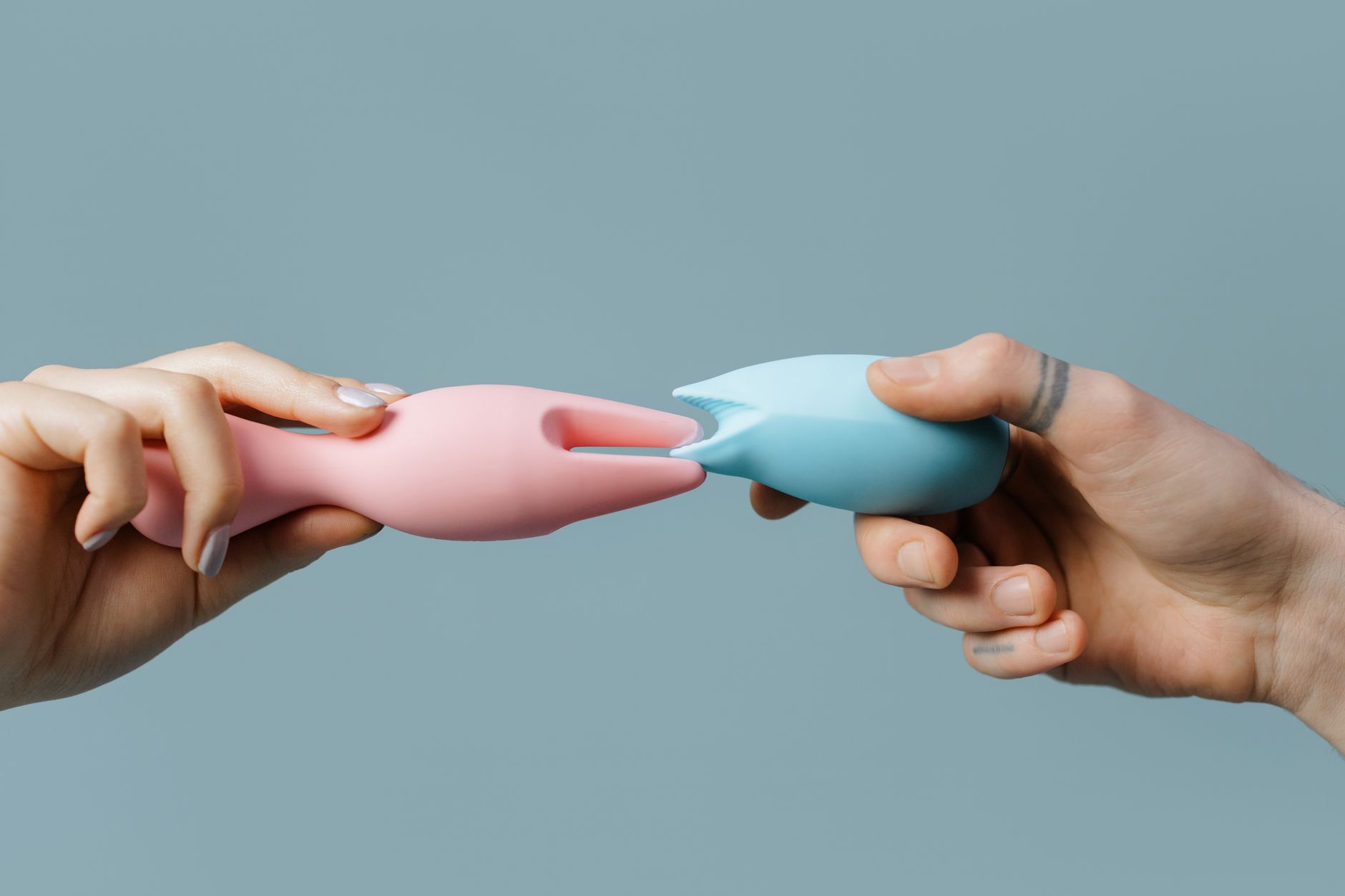
The Lemon clitoral vibrator uses air-pulse suction instead. Think of it as creating a seal and gently drawing tissue into a soft cup, with pulses of air providing the stimulation. This is a fundamentally different sensation. It requires less lubrication to feel amazing. In fact, many of my clients find that the Lem's design actually feels better when natural lubrication is lower, because the seal is more responsive and the stimulation is more concentrated.
It's also gentler on thinner, more sensitive tissue. If you've noticed that vibrators you used to enjoy now feel too intense or even uncomfortable, the Lem's air-pulse approach is worth trying.
How to set up for success with reduced lubrication
Four practical adjustments make the biggest difference.
Use a quality water-based lubricant anyway. Even though the Lem doesn't strictly require it, adding lube changes the experience. It helps the seal form more easily, reduces any initial dryness, and lets you focus on sensation instead of worrying about irritation. Water-based lubes are gentler on silicone than oil-based or silicone-based alternatives. I recommend keeping a bottle nearby, not out of shame, but because it's a tool that works.
Start on lower settings. The Lem has multiple intensity levels. With lower natural lubrication, start at level 1 or 2, not because you can't handle intensity, but because your tissue is already more sensitive. You can always increase intensity once you're warmed up. Many of my clients find they actually reach orgasm faster on lower settings when tissue is already primed for sensation.
Extend your warm-up period. Reduced lubrication often correlates with reduced blood flow, which means arousal takes longer to build. Budget 15-25 minutes for foreplay or solo warm-up, even if you used to need less time. This isn't a sign something's wrong. It's how bodies shift with age. The extra time is actually an opportunity to explore slower, more deliberate pleasure.
Angle the Lem for maximum seal. Because the suction technology depends on a good seal, angle matters. Aim for direct contact with the clitoral head. If you're struggling to feel the sensation, it might not be intensity you need. It might be positioning. Small adjustments in angle create huge differences in how the suction registers.
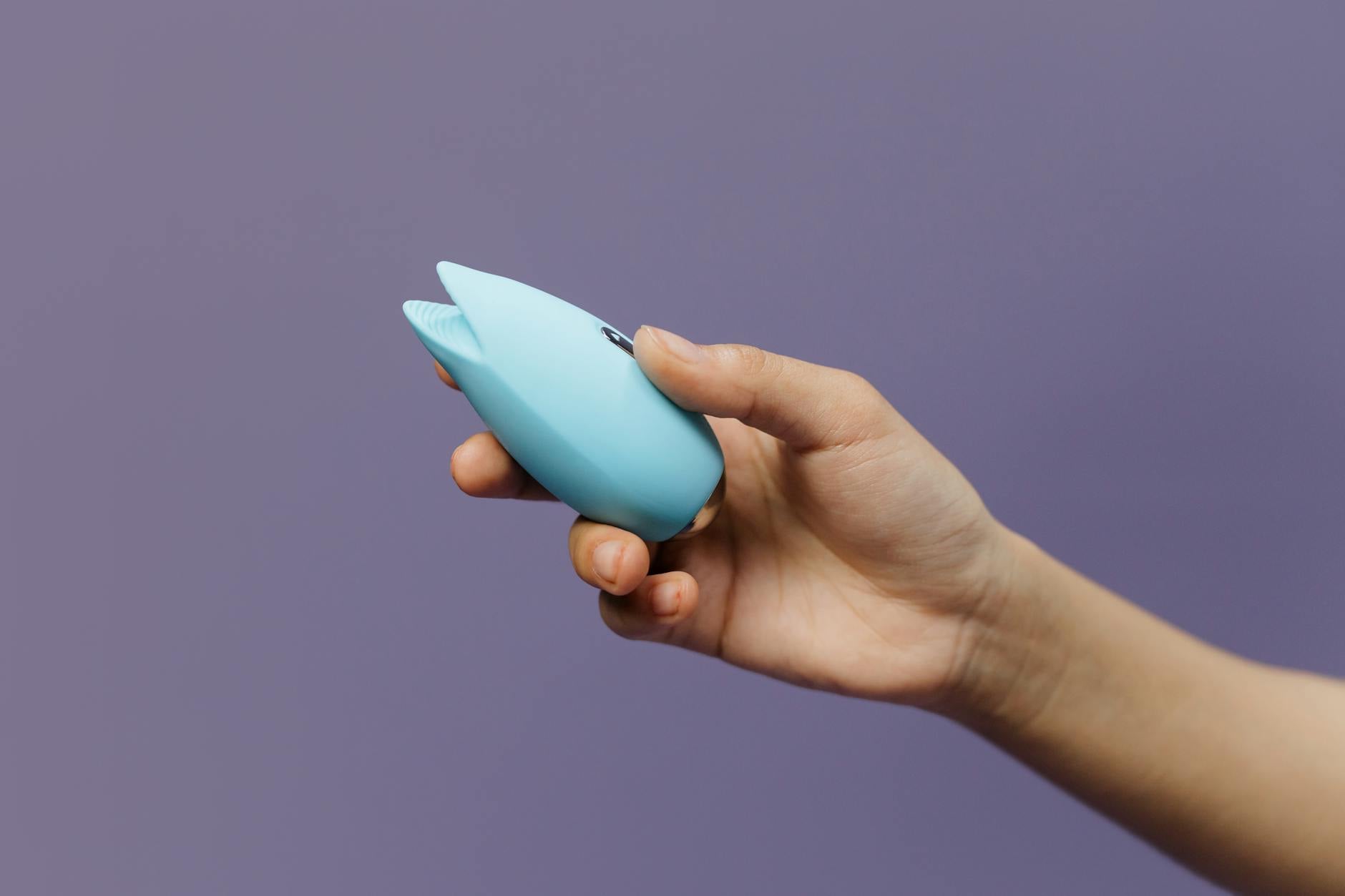
Photo by cottonbro studio on Pexels
The mental piece that matters as much as the physical
Here's what I notice in my practice that surprised me years ago but doesn't anymore: reduced lubrication often carries shame. Like your body's letting you down. That's not helpful, and it's not true.
Your body isn't malfunctioning. It's aging. Big difference. One is a problem to solve. The other is information about how to work with yourself.
My clients who struggle most with reduced lubrication aren't the ones dealing with the physical change. They're the ones fighting it mentally. They're using language like "I should still be able to" and "My body used to," which splits their attention between sensation and resentment.
The ones who adapt fastest are the ones who treat lubrication changes like they'd treat needing reading glasses. You don't shame yourself for needing glasses. You just use them. Same applies here. Lubricant is a tool. The Lem is a tool. Longer warm-up is a tool. Using them isn't compromise. It's optimization.
When to check in with a healthcare provider
If lubrication changes came on suddenly (like within a few weeks), that's worth mentioning to your doctor. It could indicate a medication side effect or a hormone shift that's worth monitoring. If pain or irritation shows up during or after use, stop and talk to a healthcare provider. Genitourinary syndrome (sometimes called atrophic vaginitis) is real and treatable, often with topical estrogen creams or vaginal moisturizers that make a huge difference.
But if it's a gradual shift you've noticed over months or years, and there's no pain, you're probably just dealing with a normal age-related change. In that case, the approaches I've outlined here work well.
Why this matters for your pleasure
Reduced lubrication is one of the few body changes people act like is the beginning of the end. It's not. It's a plot twist. Your body's been through things. It's learned. It knows what it likes.
Many of my clients report that their most intense orgasms have come after their lubrication patterns changed. Not because of the change itself, but because adapting to it made them more intentional. They slowed down. They communicated better with partners. They stopped taking sensation for granted.
The Lemon clitoral vibrator is designed for bodies that need something different. Whether that's you at 35 or at 65, the approach is the same: meet your body where it is now, not where it was before. Give it the right tools. Give it enough time. And notice how good it actually feels when you stop fighting the shift and start playing with it.
People Also Ask
Can I use regular lube with a silicone Lem vibrator?
Yes, absolutely. Use water-based lube only, though. Silicone-based lubes can degrade silicone toys over time, creating tiny pits and rough spots. Oil-based lubes are harder to clean off and can trap bacteria. Water-based is the safest choice. Apply a small amount directly to the toy or to your skin, and reapply as needed.
Does decreased lubrication mean I'm going through menopause?
Not necessarily. Reduced lubrication can happen for lots of reasons: hormonal shifts from birth control changes, medications, health conditions, stress, or simply aging. Menopause is one trigger, but it's far from the only one. If you're unsure what's causing the change, talking to a healthcare provider is worth it, especially if the shift came on suddenly.
Is it normal to need lube at my age?
Completely normal. At any age, actually. Needing lubrication isn't a sign of dysfunction. Bodies vary widely in how much natural lubrication they produce at any given time, and that can shift based on hormones, health, stress, arousal level, and medication. Using lube is just smart adaptation, not a failure.
Will the Lem work better than my current vibrator if I have less lubrication?
Often yes, because the suction approach requires less friction. But comfort matters more than brand. If a toy you're using now feels irritating or uncomfortable, switching to something designed for sensitive or less lubricated tissue makes sense. The Lem is worth trying if your current toy has started feeling rough or too intense.
How long does it take for reduced lubrication to "come back"?
It usually doesn't, and that's okay. If hormonal changes caused it, the shift is usually permanent unless you use hormone replacement therapy. But as I mentioned, permanent doesn't mean worse. It just means different, and different can actually be better once you adapt your approach.
What if lube and the right toy don't help?
If you're still experiencing pain, irritation, or very low sensation despite these adjustments, check in with a healthcare provider. Sometimes topical treatments like vaginal moisturizers or estrogen creams make a measurable difference. Other times, it's worth exploring with a sex therapist who understands aging bodies. There are always options.
What comes next
Your body's changes don't end pleasure. They just redirect it. The Lem was designed with bodies exactly like yours in mind. The slower warm-up isn't foreplay you have to endure. It's foreplay you get to savor. The lube isn't a crutch. It's a tool that works.
If you're ready to explore what feels good in your body right now, reach out to our team. We're here to answer questions about the Lem, lubrication, or anything else that's on your mind about pleasure and aging bodies.