How to Rebuild Intimacy After Infidelity With a Partner
Let's be real. After infidelity, the idea of being physical with your partner again feels impossible. Your body might shut down. Your mind rewinds through what happened on repeat. The thought of touch might trigger anger or sadness or numbness all at once. That's not broken. That's your nervous system doing its job, which is to protect you.
Rebuild that intimacy anyway requires something most couples never talk about: a deliberate, honest framework for what physical connection can become after betrayal. Not fake forgiveness. Not rushing back to how things were. Something new, built on radical honesty and reclaimed safety.
I've worked with couples navigating this for years. The ones who rebuild intimacy successfully follow a pattern. It's not fast. But it's possible.
Why physical intimacy stops after infidelity
Your body is smarter than you think. When trust breaks, your nervous system flags physical closeness as a threat. Touch becomes a lie detector you're not consciously running. You might flinch without meaning to. Arousal might feel impossible, even if your partner is trying. That's not you being difficult. That's you being wise.
Infidelity damages three things simultaneously. First, the safety of the relationship. Second, the narrative you told yourself about who your partner is. Third, the feeling that your body matters to them the way you thought it did. Rebuilding intimacy means addressing all three, not just scheduling sex and hoping it works.
Many couples try to skip straight to physical connection and wonder why it feels empty or triggering. Your body needs permission to trust again before it can relax enough to feel pleasure.
The honesty conversation that has to come first
Before you touch, you need to talk. Properly talk. Not about logistics or blame, but about what happened inside each of you.
The partner who was unfaithful needs to answer questions. Not defensively. Not in a way that makes the betrayed partner soothe them. The betrayed partner gets to ask: What were you feeling before it happened? What were you avoiding? How did you lie to yourself? What do you need to do differently so you don't do this again?
These answers need to be detailed and uncomfortable. If your partner gives you a surface-level explanation, keep asking. "I wasn't happy" is not an answer. "I wasn't happy because I stopped telling you what I actually wanted, and instead of facing that conversation with you, I found it elsewhere" is closer.
The betrayed partner also needs to be heard about what the infidelity triggered. Not just anger (though that's valid). The deeper fears. Am I not enough? Was I never enough? Will this happen again? Does my pleasure matter to them? If those questions don't get air, physical intimacy becomes a way to avoid them, and your body will know.
Why lemon vibrators and air-suction toys help couples reconnect
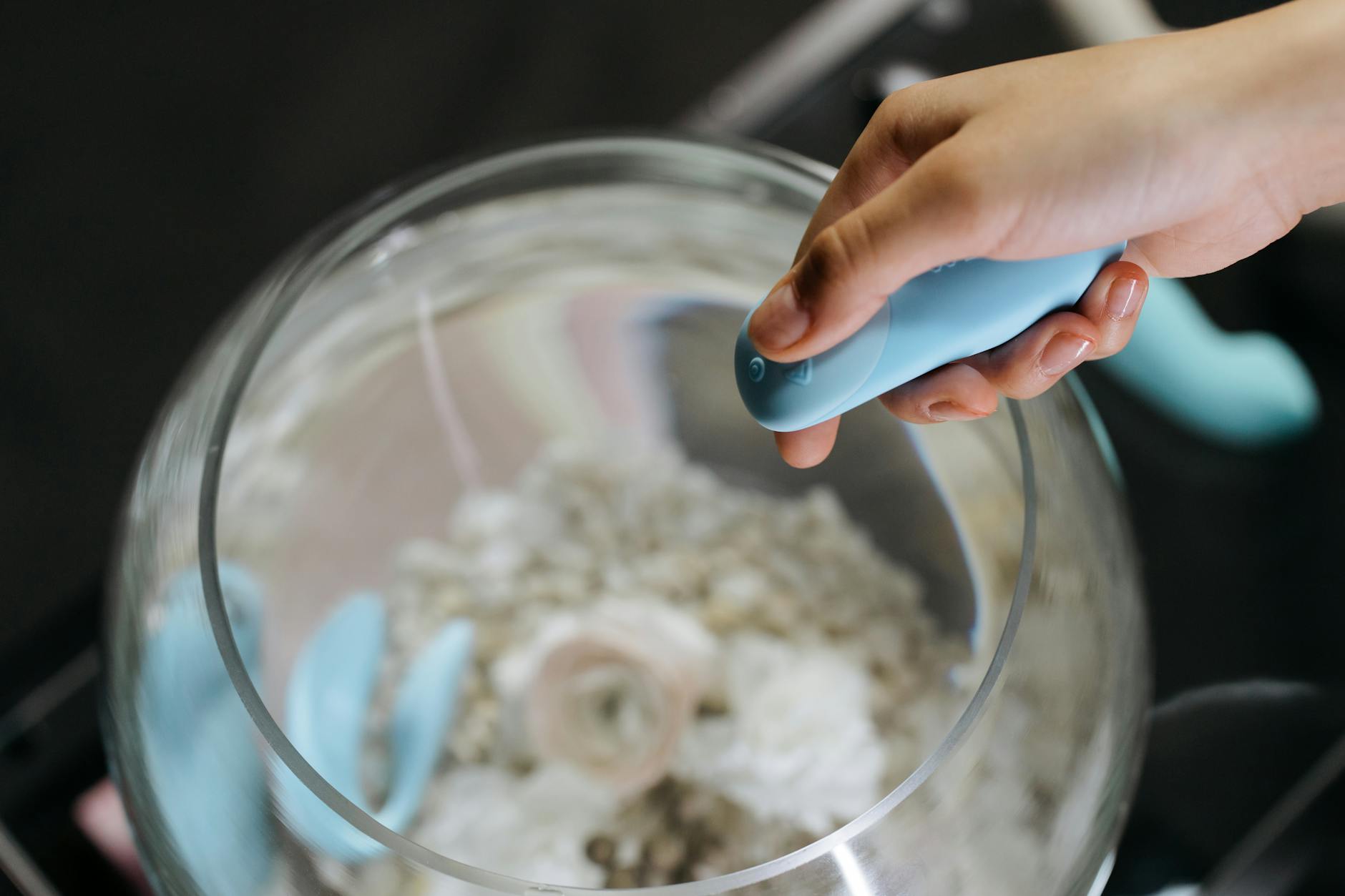
Here's something most relationship therapists don't mention. Introducing a tool like a lemon clitoral vibrator can actually make rebuilding intimacy safer, not cheaper.
Why? Because it's not about your partner's body or your body in that moment. It's a third object that says: "We're exploring pleasure together, but your pleasure is the focus." That distinction matters hugely after infidelity. The betrayed partner often struggles with being the focus of physical attention again. A tool removes some of that intensity while keeping the partner involved.
Lemon vibrators, specifically, work well for this because they use suction rather than direct friction. If your nervous system is sensitive or guarded (which it is, post-infidelity), softer, more diffuse sensation is often what helps reconnection feel safe. You're not focused on performance or responding the "right" way. You're focused on sensation.
This isn't about replacing connection with a toy. It's about using a tool that lets you both practice being vulnerable and present together in a lower-stakes way.
The stages of rebuilding physical intimacy
There are four stages couples move through. Not linear. You might loop back. That's normal.
Stage One: Non-sexual touch. Hand-holding. Shoulder touching. Hugging. The goal is to rebuild the nervous system's belief that your partner's touch is safe. Do this without the expectation of sex. Spend weeks here if you need to. Some couples need months.
Stage Two: Sensate focus. You touch each other with no goal except sensation. No orgasm expected. You describe what you feel, where, how. This is borrowed from sex therapy and it works because it forces presence and communication. You can't hide or go numb when you're describing exactly what your skin is experiencing.
Stage Three: Introducing tools slowly. A lemon vibrator or other toys become part of the conversation. Start with solo use, talked about openly. Then, if both partners want, use together. The key word is "together." Your partner isn't using a toy on you as a substitute for their touch. They're using it as a way to learn what you like and to be present while you experience pleasure.
Stage Four: Rebuilding shared pleasure. Sex resumes, but it's different. You both know what you actually like. You've practiced asking for it. You've practiced hearing "no" and "not right now" and knowing it's not about them. Trust rebuilds slowly, through consistency, not through grand gestures.
What actually kills the process
Three things sabotage couples trying to rebuild intimacy after infidelity.
First: rushing. If the betrayed partner feels pressured to "move past it" physically before they're ready, resentment builds and trust dies again. There's no timeline except the one set by the person who was hurt.
Second: expecting sex to fix the relationship. Physical intimacy is not the cure for infidelity. It's the symptom that the other work is working. If you haven't done the honesty conversations, if you haven't rebuilt trust in other parts of your relationship, sex will feel hollow or triggering. Don't use it as a band-aid.
Third: performing instead of feeling. After infidelity, many betrayed partners slip into "I need to be better in bed so this doesn't happen again." That's a nightmare. You're not responsible for your partner's choices. Your job is to reconnect to your own pleasure, not to perform a version of sexuality designed to keep them interested.
The role of vulnerability and communication
Rebuild real intimacy means saying things that scare you. The betrayed partner might need to say: "When you touch me, sometimes my body floods with the images I have in my head about what happened. That's not about you right now. I'm learning to be present again." The unfaithful partner might need to say: "I'm terrified you'll never look at me with desire again, and I deserve that."
These conversations are not sexy. They're necessary. Real intimacy after betrayal is built on the bedrock of saying what's actually true, not on pretending everything is fine.
One practice that helps: ask your partner to tell you when they felt most connected to you, early in your relationship. Not to recreate that (you can't), but to remember what presence feels like. What were you doing? How were you with each other? That memory becomes a north star for what you're rebuilding.
When to call in professional support
If you've done the honesty work and your body still shuts down, a sex therapist can help. If you're stuck in a loop of resentment and can't move forward, a couples therapist is worth the investment. This isn't a sign you're failing. It's a sign that the breach was deep and you need expert help to rewire.
Some relationships do end after infidelity. That's valid too. Not every breach can be repaired. But the ones that do repair don't happen by accident. They happen because both partners chose to do the hard, unglamorous work of rebuilding from the ground up.
FAQ
How long does it take to rebuild intimacy after infidelity?
There's no fixed timeline, but research suggests couples need at least 18 months to two years of consistent, honest work to rebuild trust meaningfully. Some relationships take longer. The betrayed partner's readiness, not the unfaithful partner's impatience, sets the pace. Rushing signals that you care more about your own comfort than theirs, which erodes trust again.
Is it normal to not want sex after your partner cheats?
Completely normal. Your body is protecting you. You might not want sex for months. Your nervous system has learned that your partner's desire is not trustworthy. Healing that takes time and consistency. Don't force yourself. The moment you stop resenting your own lack of desire and just accept it as part of the process, things usually shift.
Can using toys together help after infidelity?
Yes, if both partners are ready and enthusiastic. A lemon vibrator or similar tool can help couples explore pleasure together in a way that feels less loaded with the history of betrayal. It's a third object that says: "We're learning together." But the tool only works if the foundation is honesty and consent. Don't use it as a shortcut around the real work.
Should we go to therapy to rebuild intimacy?
If you're stuck, yes. A couples therapist trained in infidelity recovery can help you both understand what led to the betrayal and how to rebuild differently. A sex therapist can help specifically with physical intimacy if your body is struggling to reconnect. These aren't failures. They're evidence that you're taking the repair seriously.
How do I know if my partner is actually sorry?
Sorry looks like: changed behavior, not just apologized words. Your partner makes themselves accountable. They answer your questions without defensiveness. They understand that trust rebuilds through consistency, not through one grand gesture. They're willing to go to therapy. They don't rush you. They accept that you might not forgive them, and they're okay with working toward it anyway.
What if I'm the one who cheated? How do I help my partner rebuild?
First: stop making this about your guilt. Your partner didn't sign up to soothe you while you're remorseful. Your job is to show, through actions, that you've changed. Answer hard questions. Be accountable. Go to therapy. Don't pressure them for sex or forgiveness. Understand that they might leave anyway, and accept that as a possible outcome. The best thing you can do is become someone trustworthy again, one small choice at a time.