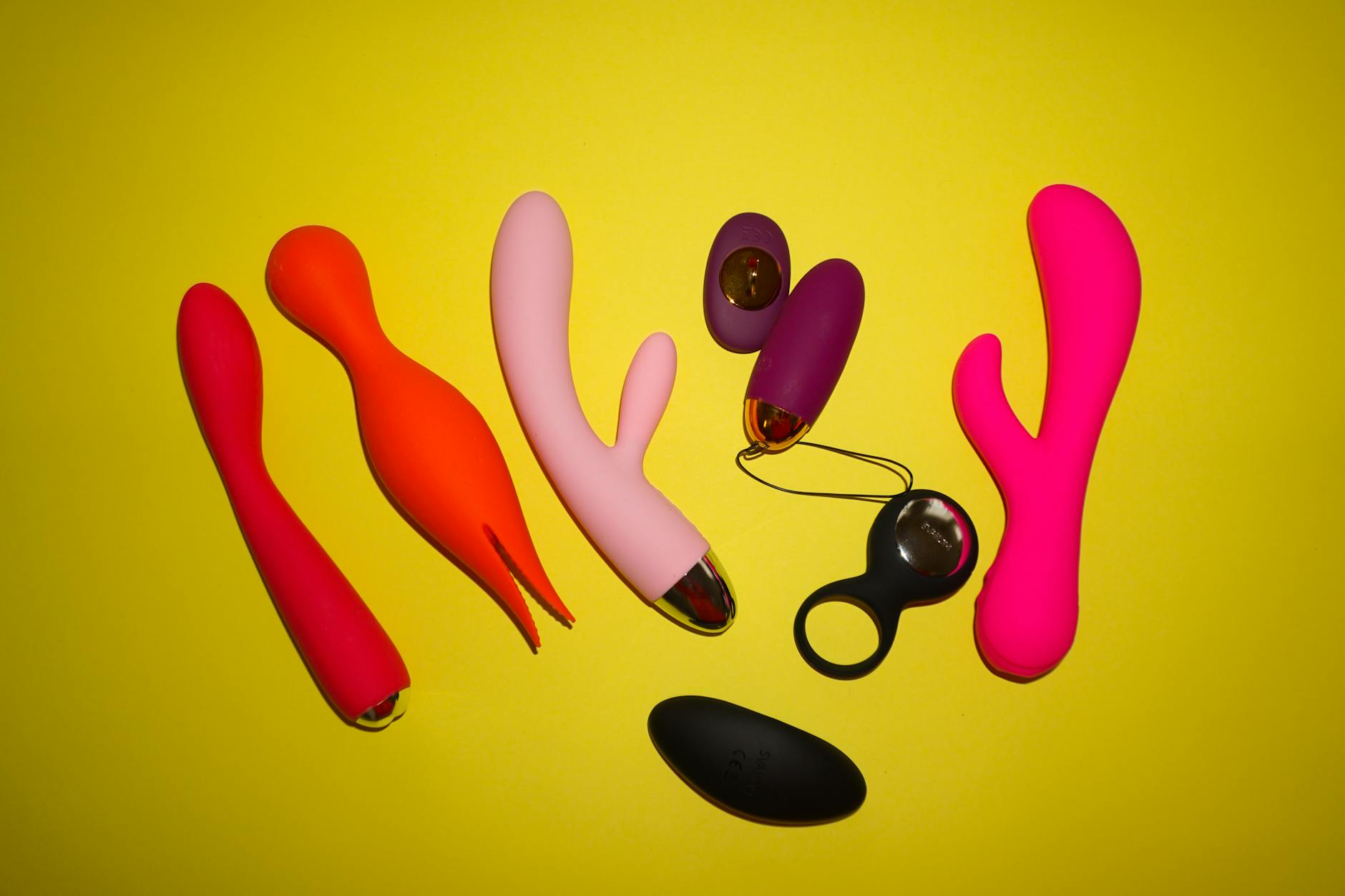
Here's what nobody tells you about picking a lemon vibrator
You probably think the choice is simple. But walk into this decision without knowing your body's actual sensitivities, and you'll end up with an expensive paperweight. The good news: figuring out what works for you is way more straightforward than the marketing wants you to believe.
I've worked with countless people rebuilding their relationship to pleasure, and the number-one regret I hear is buying the wrong toy first. Not because there's a "wrong" toy in general, but because there's a wrong toy for them. Let's fix that.
Understanding your baseline sensitivity
Sensitivity isn't binary. You're not either "sensitive" or "not sensitive." It lives on a spectrum and it changes depending on stress, hormones, where you are in your cycle, and what's happening in your relationship.
Before you even look at which lemon vibrator to buy, spend a week noticing what your body actually likes. When you're alone, how much direct touch can your clitoris take before it feels overwhelming? Can you handle sustained pressure, or do you need variation? Does your arousal build slowly or fast? These aren't trick questions. They're data.
Here's the practical version: if you can't comfortably hold a partner's hand pressure on your clitoris for more than 10 seconds without flinching, you're probably going to want a suction-based clitoral vibrator over a traditional vibrator. If you love direct, intense pressure and can handle it for longer, a standard vibrator or a high-intensity lem vibrator might be your match.
Suction versus vibration. Know the difference
Most people don't realize there are two totally different technologies here, and they feel nothing alike.
Vibration works by moving back and forth really fast. It's direct stimulation. You feel every buzz. For people with lower baseline sensitivity or those who want consistent, predictable sensation, vibration is usually the play.
Suction (also called "air-pulse" or "licking" sensation) works by creating a gentle vacuum around the clitoris. It's less about direct pressure and more about creating a rhythmic pulse. For people with higher baseline sensitivity, people with vulvas that are more exposed (where direct vibration feels almost abrasive), or anyone who wants sensation that feels less intense but somehow more satisfying, suction is often the answer.
Hello Nancy's Lemon vibrator uses suction technology. If you've tried traditional vibrators and found them overwhelming, the Lem's air-pulse design might be exactly what you've been missing.
Your anatomy actually matters here
Not all clitorises are the same. Some sit more externally and exposed. Others are more tucked under the clitoral hood. If you're not sure, that's fine. Here's what to know:
If your clitoris is more externally positioned, you might find direct vibration irritating. Suction-based vibrators work beautifully because they create stimulation without harsh friction. If your clitoris sits more protected under the hood, direct vibration might actually feel like nothing at all until you really ramp up the intensity.
When you're shopping, the shape matters too. Lemon vibrators are typically tapered or rounded at the tip, which is intentional. That shape creates better contact with the clitoral area without requiring you to contort yourself or hold it at an awkward angle. Wands are wider and flatter, which works great for some people and feels unfocused for others.
The best way to figure this out: think about what's felt good in the past. If a partner's fingertip felt better than their whole hand, you probably prefer more focused stimulation. If you liked broader contact, go wider.
Intensity levels and why you need more than one setting
I'm going to be honest: the toys that only have one speed are limiting. You might want high intensity right now and gentle pressure next month. Your body changes.
When you're evaluating a lemon vibrator or any clitoral vibrator, check how many intensity settings it has. Ideally at least three, but five or more is better. That flexibility means you're not buying based on where you are today, you're buying for all the different versions of yourself you'll be over time.
Also think about ramp-up. Some vibrators start gentle and gradually build. Others jump straight to medium. If you like to ease into sensation, look for toys that start low.
Material and comfort during extended use
You're going to be holding this thing for 15 to 30 minutes, sometimes longer. Material matters for comfort and for durability.
Silicone is the gold standard. It's non-porous, easy to clean, doesn't degrade over time, and feels pleasant in your hand. It's also hypoallergenic, which matters if you have sensitive skin.
ABS plastic is harder and lighter, which some people love because it's less bulky. Others find it cold or uncomfortable after a while.
Whatever material you pick, make sure you're actually going to want to hold it. Heft it in your mind's eye. Will your hand cramp holding this for 20 minutes? If yes, keep looking.
Noise level and where you live
Nobody wants to explain to a roommate or partner why their bedroom sounds like a dental office. Noise matters more than marketing usually admits.
Most lemon vibrators are relatively quiet because suction-based design is inherently quieter than buzzing. But "quieter" is relative. Look for decibel ratings if the brand lists them. Under 50 dB is basically silent. 50-65 dB is moderate. Above 65 dB and people in the next room will definitely hear you.
If you're not living alone, silent or near-silent is worth the small premium you might pay for it.
Battery life and charging logistics
There's nothing worse than getting into it and having your vibrator die mid-session. Seriously.
Look for toys with at least two hours of battery life on a full charge. Ideally three or more. Also check how long it takes to charge. Some vibrators charge in 30 minutes. Others need 2 hours. If you're the type who forgets to charge things, that matters.
Waterproof charging is a bonus because it means you can grab the toy from the shower without draining the battery or risking water damage.
Price anchoring: what you're actually paying for
A more expensive lemon vibrator isn't automatically better. But price usually reflects a few real things: build quality, battery lifespan, motor durability, and brand research investment.
Budget vibrators often die after a few months of regular use. Mid-range toys usually last a year or two. High-end toys, if you treat them well, can last five-plus years. When you break it down to cost per use, the expensive option sometimes wins.
That said, you don't need to spend $150 to find something that works. The sweet spot for quality and value is usually $60-$100.
The test run approach if you're still unsure
If you're paralyzed by choice, here's what I recommend: start with a mid-range option from a brand that actually does the research. Hello Nancy's Lemon vibrator is specifically designed with sensitivity in mind. Read reviews from people with similar sensitivity levels to yours (scroll past the gushing ones and the negative ones, find the detailed middle reviews). Those matter more than a five-star rating.
Buy one toy. Use it for two weeks. Get to know how your body actually responds. Then you'll have way better information about what to try next.
Troubleshooting: when the vibrator you chose doesn't feel right
Sometimes you pick something reasonable and it still doesn't work. Here's why that happens and what to do about it.
If it feels too intense, try starting at the lowest setting and giving it more time. Sometimes sensation needs five minutes to feel normal instead of overwhelming. If it's still too much after that, you probably need a suction-based toy instead of straight vibration.
If it feels like nothing, you might need either higher intensity or a completely different technology. Moving from vibration to suction, or vice versa, sometimes changes everything.
If it works great solo but feels awkward with a partner, that's usually about positioning or communication, not the toy itself. That's a different puzzle to solve.
People Also Ask
What's the difference between a lemon vibrator and other clitoral vibrators?
A lemon vibrator specifically refers to the tapered, rounded shape that resembles a lemon (hence the name). Hello Nancy's Lemon uses suction technology rather than pure vibration, which creates a gentler, pulsing sensation. The rounded tip targets the clitoral area without requiring you to hold it at a specific angle. Other clitoral vibrators might be bullet-shaped, wand-shaped, or use different stimulation methods entirely.
How do I know if I have high or low sensitivity?
Pay attention to what feels good during partnered sex or solo exploration. If you prefer light touch and gentle pressure, you likely have higher sensitivity. If you like firmer, more direct contact, you have lower baseline sensitivity. Keep in mind this isn't fixed. Stress, hormones, and relationship dynamics all shift your sensitivity week to week. It's worth checking in with yourself regularly instead of assuming you're always the same.
Can I use a lemon vibrator if I'm on medication that lowers sensation?
Absolutely. In fact, this is exactly why having options matters. If medication has dulled sensation, you might need higher intensity than you expected, which is why knowing your actual sensitivity before buying helps. Some people find that suction-based toys work better than vibration when medication is involved. If you're not sure, you can always reach out to us with specifics and we can help you think through it.
Is it normal for vibrators to feel uncomfortable at first?
Yes and no. New sensation always takes adjustment. But uncomfortable shouldn't mean painful. If it hurts, you're probably using too much intensity or the wrong type of stimulation for your body. If it feels weird but not painful, give it five to ten minutes. Your nervous system needs time to register novel sensation as safe.
How often should I replace my lemon vibrator?
With proper care, a quality toy lasts five or more years. That means cleaning it regularly, charging it properly, and storing it in a cool, dry place. If the motor stops working, the battery fails, or the silicone develops tears, it's time to upgrade. Some people rotate between toys simply because they like variety, which is totally fine.
What if I buy a vibrator and hate it?
That's why knowing your baseline sensitivity matters before you buy. But if you do end up with the wrong toy, you have options. Some brands have generous return policies. Some people keep the toy but use it differently than they expected (for example, using it externally on different body parts). And some just accept it as a learning experience and move on to the next one. Nothing is wasted if you learned something about what you actually want.
The real answer
Choosing the right lemon vibrator comes down to knowing three things: your baseline sensitivity, what type of stimulation actually works for your anatomy, and what experience you're after. That's it. Everything else is details.
Start with honest observation of your body. Then pick something from a brand that's done the research. Use it. Learn. Adjust. Your pleasure is worth the tiny bit of thought this takes up front.
If you want to talk through specifics about what might work for your body or your relationship, let's connect.